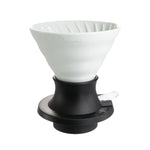
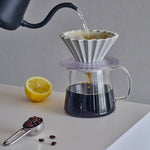
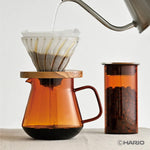
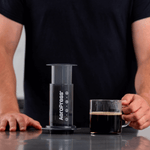
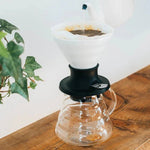
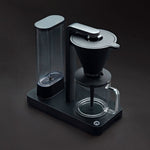
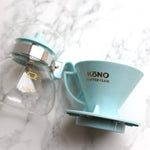


Enjoy a richer, smoother coffee experience with cold brew makers that bring out refreshing flavors in every cup. Cold brew makes coffee naturally sweeter and less acidic compared to traditional hot-brewed methods, thanks to its unique process that extracts flavor without heat. Whether you're a seasoned coffee enthusiast or just discovering cold brew, the right maker simplifies the process and highlights the deep, nuanced taste of your favorite beans.
Read More
Cold Brew Makers and Their Growing Popularity
For years, the world of coffee revolved around hot coffee—espresso shots, filter machines, and drip coffee brewers. But then came cold brew makers, quietly changing how people enjoyed coffee. These devices allow anyone, from beginners to coffee professionals, to prepare smooth, refreshing cold brew coffee at home without fuss.
With a cold brew maker, you can enjoy better coffee at home, achieving superior flavor and freshness compared to store-bought options.
Read Less
2 products
Why Cold Brew Coffee Makers Are Different
Cold brew coffee makers are designed to steep coffee grounds in cold water for long periods, usually between 12 and 24 hours. Unlike a hot brew coffee maker that relies on heat for quick extraction, cold brewers emphasize patience. The result of this method is cold brewed coffee, which is known for its unique extraction process that produces a mellow, naturally sweet flavor profile. The result is a mellow, naturally sweet cold coffee that feels like a completely different drink.
Read More
The Basics of Cold Brew
At its core, cold brew is simple. Add coarse ground coffee to a brewing container, pour water evenly for even saturation, then let it steep. After many hours, the liquid is filtered, leaving you with a smooth cold brew concentrate that can be diluted or enjoyed straight. Many recipes recommend mixing specific parts water to concentrate to achieve the desired strength and flavor.
The Taste of Cold Brew Coffee
Compared to hot brews, cold brew coffee is lower in acidity and bitterness. It’s also versatile—great on its own, as iced coffee, or mixed with milk for a creamy finish. Many who once thought they didn’t like coffee change their minds after trying a great cup of cold brew.
Cold Brew Concentrate: A Practical Brewing Result
When you prepare cold brew, you usually end up with a cold brew concentrate. Preparing cold brew in batches allows you to have a ready supply of concentrate for several days, making it convenient for busy schedules. This strong liquid can be stored in an airtight container with a tight lid in your fridge for up to two weeks. Simply dilute with water, soda, or milk to suit your taste. It’s also a handy ingredient in desserts and cocktails.
Coffee Concentrate Beyond the Cup
A homemade coffee concentrate isn’t just for drinking. Many bakers add it to brownies, cakes, and sauces. Mixologists love it as a cocktail base. Even tea enthusiasts experiment by combining it with herbs for unique drinks. With the right brew makers, you can create café-level concentrate at home.
Choosing the Best Cold Brew Maker
The search for the best cold brew maker depends on your needs. Do you want a compact model that slips easily onto a fridge shelf, or do you need a larger model that makes liters of concentrate? Do you prefer a stylish glass carafe with a cork lid for the kitchen counter, or a rugged plastic brewer with a rubber stopper? These small details make a huge difference in your daily brewing.
Why Cold Brew Makers Appeal to Home Brewers and Cafés
Both home brewers and cafés rely on cold brewing. Coffee professionals appreciate its stability: once brewed, cold brew coffee holds its quality for days. For home use, it’s the convenience of having a ready-to-pour drink that wins people over.
Exploring Cold Brew Coffee Makers
Different Types of Cold Brew Coffee Makers
There’s no single standard design for cold brew coffee makers. Some are pitcher style brewers with built-in filter baskets, others are immersion bottles like the Oxo Cold Brew Maker, which uses a perforated lid for even saturation. Then there are creative DIY methods with mason jars and coffee socks, though other brewers often produce better consistency.
Cold Brew: A Brewing Method Rooted in Time
Unlike fast extraction methods such as espresso or pour-over, making cold brew depends on time. This patience leads to smoother flavor and often more caffeine, since the long steep pulls out compounds that shorter brewing misses.
Cold Brew Coffee: Smooth and Versatile
What makes cold brew coffee so appealing is its adaptability. Serve it straight from the carafe as a strong drink, dilute it for a lighter option, or mix it with milk for a creamy cold latte. Some even warm their cold brew concentrate with hot water for a gentler version of hot coffee.
Why Cold Brew Concentrate Stands Out
A batch of cold brew concentrate can transform your routine. Brew once, and you’ll have enough for a week of quick, refreshing drinks. With a compact model on your kitchen counter or a larger model for hosting, you can prepare in bulk and always have good coffee ready.
Coffee Concentrate Storage and Freshness
To keep your coffee concentrate fresh, always use an airtight container or a glass carafe with a proper lid. Stored on a fridge shelf, it will remain stable for up to 14 days, making it ideal for busy mornings.
Finding the Best Cold Brew Maker for Beginners
For newcomers, the best cold brew maker is one with easy cleaning, a durable mesh filter, and a straightforward setup. Bottles like the Hario Filter Cold Brew Coffee Bottle are great starting points—stylish, efficient, and simple to use.
The Role of a Coffee Maker in Cold Brewing
While most people associate a coffee maker with hot drip or espresso, cold brewing has its own family of devices. Unlike hot brew coffee makers, which rely on heat and paper filters, cold brew makers often use mesh filters or felt filters designed for immersion brewing. Some cold brew makers also support a paper filter for those who want a cleaner, sediment-free cup.
Brewing Containers and Design Details
Brewing Container Choices: Pitchers, Bottles, and Jars
The brewing container defines convenience. Slim bottles fit a fridge shelf easily, while pitcher style brewers serve families. Some adventurous home brewers use mason jars with coffee socks, though these other methods lack the refinement of modern brew makers.
The Best Cold Brew and Why It’s Subjective
The best cold brew depends on taste. Some like it strong and dark, others dilute heavily for a light, refreshing drink. With the right brewer and grind size, you can fine-tune your batch to match your preference.
Best Cold Brew Coffee for Professionals
For cafés and coffee professionals, the best cold brew coffee comes from larger models that produce liters of concentrate. Consistency matters when serving customers, so devices with precise filter baskets and stable brewing containers are preferred.
Why Brew Makers Are Worth It
Dedicated brew makers eliminate the hassle of DIY approaches. While other models like French presses or jars can work, purpose-built brewers provide even saturation, full extraction, and most importantly, easy cleaning.
Comparing Cold Brew Makers with Hot Brew Coffee Makers
The key difference between cold brew makers and a hot brew coffee maker is temperature. Hot brewers rely on hot water to extract quickly, while cold brewing uses cold water and time for a smoother flavor. Both produce good coffee, but in very different ways.
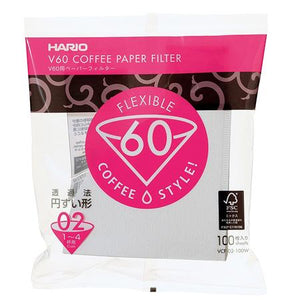
Filter Options: Coffee Sock, Felt Filter, Mesh Filter, and Paper Filters
Different brewers use different filters. A coffee sock provides rustic charm, a felt filter creates a heavy body, mesh filters strike a balance between body and clarity, and paper filters deliver a clean, crisp cup. Each approach changes the final drink.
Cold Brew Makers: Techniques and User Insights
Why Cold Brew Makers Are a Kitchen Essential
For many, cold brew makers have moved beyond being just a novelty. They’ve become part of the daily routine, sitting proudly on the kitchen counter alongside kettles and scales. With their slim designs and compact models, they’re as much about convenience as they are about flavor.
Exploring Cold Brew Coffee Makers and Their Features
Modern cold brew coffee makers offer far more than just a container for steeping. They integrate filter baskets, mesh filters, or even paper filters for clarity. Some, like the Oxo cold brew maker, feature a perforated lid that ensures even saturation of coffee grounds during steeping. Others include a glass carafe with a stylish cork lid, proving that functionality can also be aesthetically pleasing.
Cold Brew: The Role of Grind Size
One of the most common mistakes when making cold brew is using the wrong grind size. A coarse grind (similar to what you’d use in a French press) is ideal. If you grind too fine, the mesh filter clogs and over-extraction makes the drink bitter. Too coarse, and you won’t achieve full extraction, leaving your cold brew coffee flat.
Cold Brew Coffee and Extraction Time
Cold brew coffee isn’t a one-time recipe—it’s a spectrum. Steeping for 12 hours creates a light, tea-like brew. Extending to 24 hours pulls out more body and sometimes more caffeine. Each adjustment in time changes the flavor, allowing you to customize your great cup.
Cold Brew Concentrate for Everyday Use
Brewing a batch of cold brew concentrate is like meal-prepping for coffee. Once made, it can be stored in an airtight container or carafe with a tight lid on the fridge shelf. In the morning, simply dilute with water, top with milk, or pour over ice for instant refreshment.
Coffee Concentrate and Flexibility
A homemade coffee concentrate works beyond drinks. It becomes a secret weapon for smoothies, desserts, or even savory recipes. Many coffee professionals use it to create new menu items, proving that cold brewing is about versatility as much as taste.
Finding the Best Cold Brew Maker for Your Lifestyle
Choosing the best cold brew maker often comes down to lifestyle. If you live alone, a compact model like the Oxo Compact or the Hario Filter Cold Brew Coffee Bottle is ideal. If you share with roommates or family, a larger model ensures there’s always enough concentrate for everyone.
Comparing Cold Brew to Other Brewing Methods
Why Cold Brew Makers Differ from a Coffee Maker
A standard coffee maker focuses on brewing quickly with hot water. In contrast, brew makers for cold brew prioritize slow immersion with cold water. This creates a drink that’s smoother, less acidic, and often perceived as good coffee even by those who dislike hot brews.
Brewing Containers: From Mason Jars to Pitcher Style Brewers
Some home brewers experiment with mason jars and strainers, while others prefer pitcher style brewers designed for convenience. While DIY methods can work, dedicated brewing containers with filter baskets or felt filters are usually easier to manage and deliver a cleaner drink.
Best Cold Brew Options for Professionals
For coffee professionals, the best cold brew is about consistency and scalability. Cafés often rely on larger models that can brew several liters at once. Paired with stainless steel filter baskets and sealed brewing containers, these setups keep the concentrate stay fresh while serving dozens of customers.
Best Cold Brew Coffee for Sharing
The best cold brew coffee is the one you can easily share. Pitcher style brewers with wide carafes make entertaining simple. Serve over ice, mix with tonic, or top with milk—each option creates a refreshing way to enjoy a batch with friends.
Why Brew Makers Outperform Other Brewers for Cold Coffee
While other brewers like a French press can be used for cold brewing, they aren’t designed for it. A dedicated cold brew coffee maker includes features like mesh filters, perforated lids, and rubber stoppers that make the process smoother and the results more reliable.
Design Details That Improve Brewing
Mesh Filters and Their Importance
A fine mesh filter is at the heart of many brewers. It prevents grounds from escaping while still allowing oils to pass through. Unlike paper filters, which strip oils for clarity, mesh provides a richer body. The choice between them depends on whether you prefer clean or heavy-bodied flavor.
Paper Filters vs Felt Filters
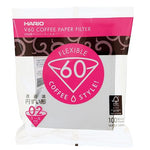
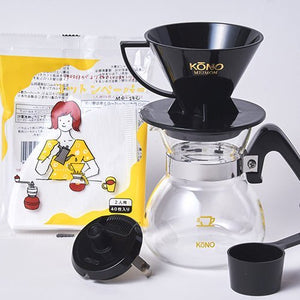
While paper filters are convenient and disposable, a felt filter is reusable and eco-friendly. Felt produces a heavy-bodied drink but requires care and cleaning. Many home brewers keep both options to experiment with different textures.
Filter Baskets for Easy Cleaning
A filter basket is a practical feature that simplifies both adding grounds and easy cleaning afterward. Instead of wrestling with loose bags or cloths, you can simply lift the basket out, rinse, and reset for the next batch.
Why a Glass Carafe Adds Value
A glass carafe isn’t just about aesthetics—it’s also practical. Transparent walls let you monitor brewing coffee, and glass doesn’t retain flavors from previous versions of brews. Many designs pair with cork lids for sealing, ensuring your concentrate stay fresh.
Perforated Lids for Even Saturation
The Oxo Cold Brew Maker and other models use perforated lids that help pour water evenly over the grounds. This prevents dry pockets and promotes even saturation, leading to full extraction.
Rubber Stoppers for Freshness
A small detail like a rubber stopper makes a big difference. It seals the bottom of the brewing container until you’re ready to release the concentrate into the carafe. This keeps flavors balanced and prevents accidental leaks.
Practical Considerations for Home Brewers
Making Tea with Cold Brew Makers
Cold brewing isn’t limited to coffee. Many devices double as brewers for making tea. Simply replace coffee grounds with loose tea leaves, steep overnight in cold water, and you’ll have a delicate, refreshing infusion waiting in the morning.
Compact Models vs Larger Models
A compact model is perfect for small households or those with limited counter space. They slide neatly onto a fridge shelf without taking over the kitchen. A larger model is better if you drink a lot or want to prepare enough concentrate for several days at once. Larger models are ideal for making bigger batches, so you can always have cold brew ready to go.
Rapid Brewers: A Trade-Off
Some companies advertise a rapid brewer that produces cold coffee in under an hour. While convenient, these devices rarely achieve the depth and smoothness of traditional cold brewing. If your goal is the best cold brew coffee, patience is still the key ingredient.
Why Easy Cleaning Matters
Brewing at home should be enjoyable, not a chore. Brewers with easy cleaning features like removable filter baskets, smooth interiors, or dishwasher-safe parts save time and encourage daily use.
Other Models and Previous Versions
Brands often improve designs over time. Previous versions may have heavier builds or less efficient mesh filters. Newer other models tend to be lighter, easier to clean, and better at achieving even saturation.
Cold Brew Makers: Serving Ideas, Comparisons, and FAQs
Cold Brew Makers and the Joy of Serving Cold Coffee
One of the best things about cold brew makers is how they simplify serving. Brew once, and you have a brewing container full of rich cold brew concentrate ready to go. Pour it over ice for an iced coffee, mix with milk, or even warm it slightly for a smooth hot coffee alternative. For gatherings, a pitcher style brewer makes it easy to share a great cup with everyone at the table.
Cold Brew Coffee Makers for Everyday Variety
A good set of cold brew coffee makers offers more than convenience—they bring variety. Making cold brew in batches allows you to experiment with different drinks and flavors throughout the week. With one batch, you can prepare:
-
A straight cold brew coffee for mornings.
-
A diluted coffee concentrate for a lighter afternoon drink.
-
A dessert-inspired mix with syrup, cream, or spices.
-
A refreshing spritz with tonic water.
These devices open the door to endless experimentation, making them popular with both home brewers and coffee professionals.
Cold Brew and the Caffeine Factor
Many people wonder whether cold brew has more caffeine than other styles. The answer is yes—usually. Because making cold brew involves long steeping, more caffeine is drawn out of the coffee grounds, especially when brewed as a concentrate. However, once diluted, the caffeine content may resemble that of drip coffee or other brewers.
Cold Brew Coffee: A Flexible Base
Cold brew coffee is one of the most versatile drinks you can prepare. Add milk for a café-style latte, serve over ice as iced coffee, or mix with herbs for a twist on tea. For those who like experimenting, brew makers give you endless room to create new drinks.
Cold Brew Concentrate in Culinary Use
Beyond beverages, cold brew concentrate enhances recipes. Bakers use it for brownies and tiramisu. Cooks stir it into marinades or sauces. Bartenders rely on it for coffee-based cocktails. With brew makers, you’re not just preparing coffee—you’re expanding your kitchen’s possibilities.
Coffee Concentrate Storage Tips
To keep your coffee concentrate fresh, always use an airtight container. Glass designs with cork lids work best, as they prevent flavor transfer and look stylish on the fridge shelf or kitchen counter. A good brewer should help your concentrate stay fresh for up to 14 days.
Comparing Cold Brew Makers with Other Brewers
Best Cold Brew Maker vs Hot Brew Coffee Maker
While a hot brew coffee maker produces coffee quickly with heated water, the best cold brew maker thrives on time and patience. The two methods produce very different results: hot brewing highlights acidity, while cold brewing emphasizes smoothness and sweetness.
Brew Makers vs French Press
Some people use a French press as an other method of making cold brew. While it can work, a press isn’t built for long steeping. Sediment often slips through, and the drink may lack clarity. Dedicated cold brew makers with mesh filters or paper filters usually produce cleaner results.
Cold Brew Makers vs Mason Jar Methods
DIY mason jars with cloth filters or coffee socks are cost-effective, but they require more effort. Without features like a perforated lid for even saturation or a rubber stopper to control flow, they lack the precision of modern other models. Still, for adventurous home brewers, they remain a fun entry point.
Pitcher Style Brewers for Sharing
For families and hosts, pitcher style brewers are unbeatable. They sit comfortably in a fridge and prepare large volumes of concentrate. Pitcher style brewers are perfect for making large batches, so you can serve multiple guests with ease. With a sturdy carafe and wide mouth, they make easy cleaning part of the process.
Compact Models for Small Spaces
The Oxo Compact and Hario Filter Cold Brew Bottle are great for apartments. They take minimal counter space, tuck neatly into a fridge shelf, and are perfect for making one or two servings. Their filter baskets make adding grounds simple, and their size ensures easy cleaning.
Larger Models for Professionals
Cafés and coffee professionals rely on larger models. These brewers focus on stability, durability, and volume. With wide brewing containers and robust mesh filters, they guarantee that every batch of best cold brew coffee meets customer expectations.
Bean Bros Cold Brew Makers Selection
At Bean Bros, we believe the right brewer can transform how you enjoy coffee. Our curated collection includes:
-
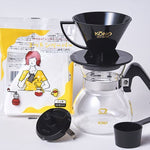
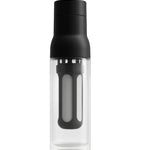
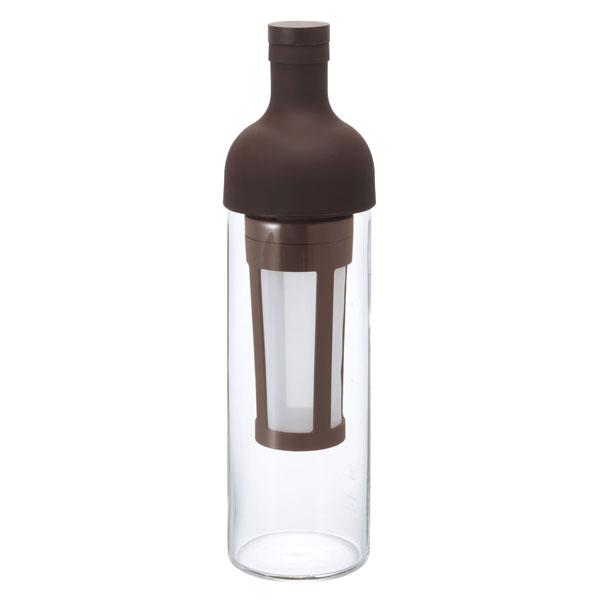
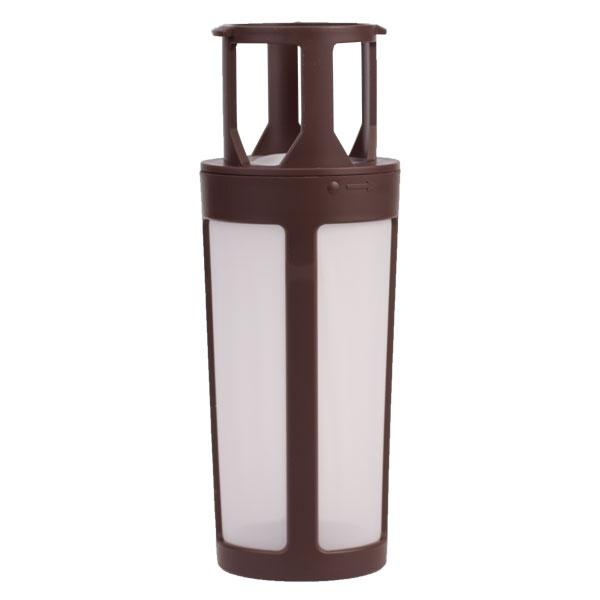
Hario Filter Cold Brew Coffee Bottle: A slim brew maker with a glass carafe design. Perfect for a compact model, it fits neatly on a fridge shelf while the filter basket ensures full extraction. Its cork lid adds both style and freshness.
-
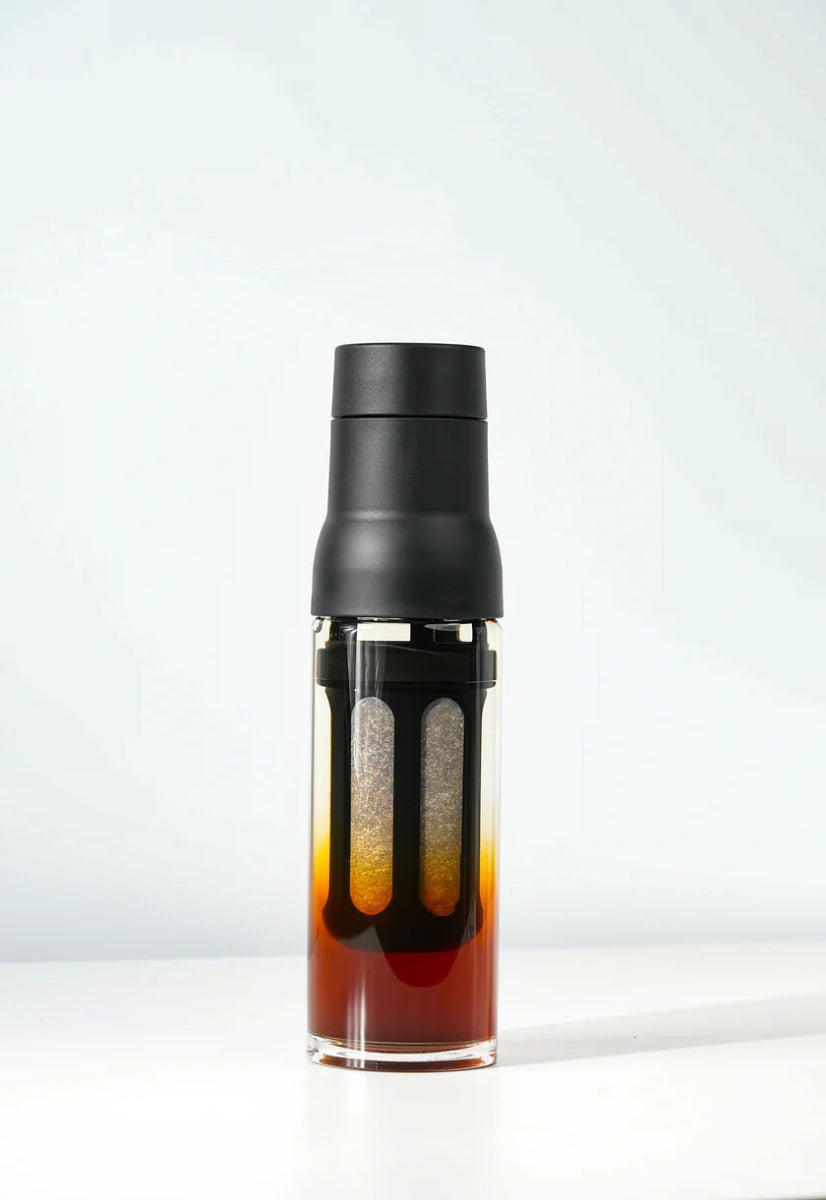
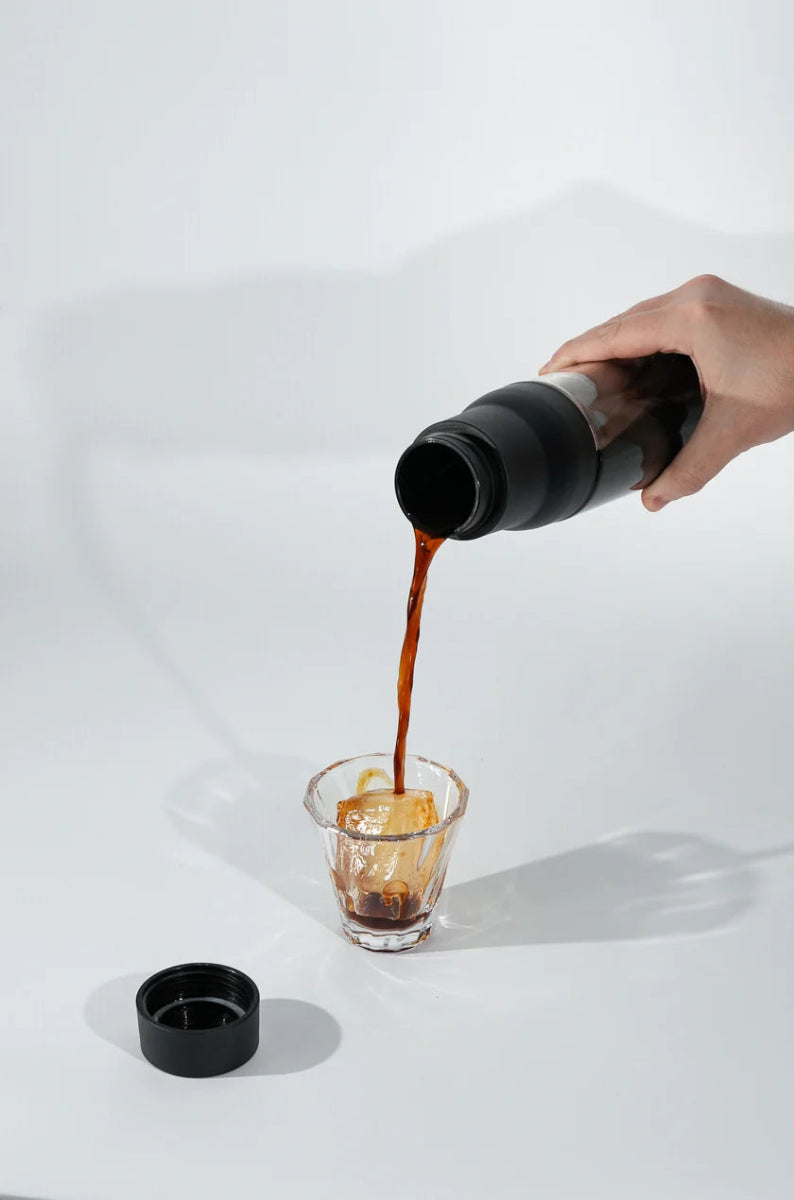
Varia Steep Cold Brew Bottle: A versatile choice for both coffee and making tea. Durable, portable, and practical, it’s an excellent option for those seeking the best cold brew maker that works for multiple drinks.
Both products are designed for home brewers who value good coffee, smart design, and the pleasure of a great cup every day.
FAQ: Cold Brew Makers
What are cold brew makers?
They are devices designed to steep ground coffee in cold water for 12–24 hours, producing smooth cold brew coffee or a strong cold brew concentrate.
What’s the difference between cold brew and iced coffee?
Iced coffee is brewed hot and cooled, while cold brew coffee is extracted slowly without heat. The taste is smoother, less acidic, and often naturally sweet.
Do I need coarse ground coffee?
Yes. Always use a coarse grind for making cold brew. This ensures full extraction, prevents clogging, and makes easy cleaning possible.
How long should I brew cold brew coffee?
Between 12 and 24 hours. Shorter times produce lighter flavors; longer times give stronger concentrate with more caffeine.
How do I store cold brew concentrate?
In a glass carafe, bottle, or airtight container with a secure lid. Keep it on your fridge shelf, where it can stay fresh up to two weeks.
Are paper filters better than mesh filters?
It depends. Paper filters give clarity and lightness, while mesh filters allow oils for a heavier body. Some brewers support both.
What’s the best cold brew maker?
Popular options include the Oxo Cold Brew Maker, Oxo Compact, and Bean Bros’ curated picks: the Hario Filter Cold Brew Bottle and Varia Steep Cold Brew Bottle.
Can I use a French press to make cold brew?
Yes, though sediment often seeps through. Dedicated cold brew coffee makers with filter baskets provide better results.
Do cold brew makers require much counter space?
Not always. Many are compact models perfect for small kitchens, while larger models are made for cafés and big households.
Do cold brew makers make stronger coffee?
Yes. Because of the long steeping time, cold brew often contains more caffeine than other brewers. However, once diluted, the caffeine level may resemble a drip coffee.
Read Less