





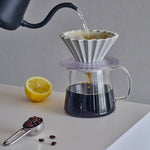







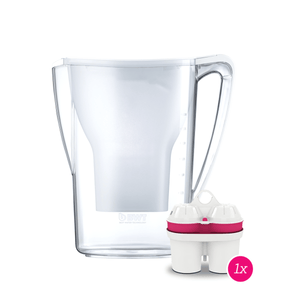
When it comes to brewing coffee, many focus on the coffee beans and espresso machines, but the role of coffee water is just as crucial. Since coffee is over 98% water, the quality of your water for coffee directly affects the flavor, extraction, and overall balance of your brew. Using the best water ensures a perfect cup with balanced acidity, deep sweetness, and a smooth mouthfeel.
Read More
Why Water for Coffee Matters More Than You Think
When you think about making coffee, you probably focus on coffee beans, your grinder, or your coffee maker. You often hear that water is important for coffee, but many don't realize just how much it truly affects the final cup. But here’s the secret: up to 98% of your brew is water. That means water for coffee plays the biggest role in determining whether you end up with a flat drink or an amazing cup.
The truth is simple—bad water equals bad coffee. Good water, on the other hand, transforms even a modest bean into a surprisingly great coffee.
Read Less
Coffee Water and the Brewing Process
Every time you’re brewing coffee, the water extracts flavor compounds from the coffee grounds. The minerals and chemistry of your coffee water decide how the flavor of the brewed coffee develops, influencing how much bitterness, sweetness, or acidity ends up in your cup. Without the right balance, even expensive beans won’t shine.
That’s why specialty coffee association standards exist. They define what the best water for coffee should look like in terms of total dissolved solids (TDS), alkalinity, and hardness.
Read More
The Role of the Coffee Maker
Your coffee maker can only do so much. Whether you use a French press, espresso machine, or pour-over dripper, it relies on the water for coffee you provide. The machine won’t magically fix poor water quality. Instead, the minerals, or lack of them, determine whether your extraction is balanced or a mistake.
Protecting your coffee machines from limescale, corrosion, and clogged boilers also comes down to water chemistry.
Tap Water vs Bottled Water for Coffee
Most people brew with tap water, but depending on where you live, it might have too much chlorine, hardness, or strange odors. While bottled water may sound like a solution, not all brands meet the optimal mineral profile.
Some bottled options are fine, but many have sodium bicarbonate, calcium citrate, or magnesium sulfate levels that aren’t ideal for coffee extraction. Some tap or bottled waters may be slightly above or below the ideal mineral content, but can still produce decent coffee.
Third Wave Water and the Rise of Coffee-Specific Solutions
The world of specialty coffee has embraced products like Third Wave Water or Empirical Water, designed to bring consistent water chemistry anywhere. These packets or drops adjust pure water into a balanced water profile that matches specialty coffee association standards.
These products are especially useful for brewing different types of coffees, such as specialty or light roasted coffees, where water quality has a significant impact on flavor.
For home brewers, it’s one of the easiest ways to create perfect coffee water without overthinking chemistry.
Why Great Coffee Starts with Great Water
If you love coffee, you know that flavor is everything. The minerals in water interact with acids, sugars, and oils in the beans, shaping the taste in your cup. Too much hard water can leave a chalky finish. Too little mineral content, like in distilled water or RO water, produces flat, dull results.
Great water doesn’t overpower—it lets your beans shine.
Understanding Water Chemistry
Let’s break down the basics of coffee water chemistry:
-
Total dissolved solids (TDS): How much “stuff” (minerals) is dissolved in the water.
-
Total hardness: The calcium and magnesium levels.
-
Alkalinity: The ability of water to buffer acidity and control balance.
To ensure optimal water for coffee, it's important to measure TDS, hardness, and alkalinity using appropriate tools like TDS meters or laboratory tests.
Get these three aligned, and you’ll brew with confidence.
Water Quality and Treatment
Water quality is a crucial factor in brewing coffee, and it can make all the difference between a mediocre cup and a truly perfect cup. The water you use—whether it’s tap water, bottled water, or distilled water—brings its own set of characteristics that directly impact the taste, aroma, and overall flavor of your coffee. For example, tap water often contains minerals like calcium and magnesium, which can enhance extraction but may also lead to scale buildup in your coffee maker if levels are too high. On the other hand, bottled water can be a convenient choice, but it’s important to check the label for mineral content to ensure it’s suitable for coffee brewing. Not all bottled waters are created equal, and some may lack the optimal balance needed for great coffee.
Distilled water, which is pure water stripped of all minerals, is sometimes used as a base for creating a custom water profile. However, brewing coffee with only distilled water can result in a flat, lifeless cup, as minerals are essential for extracting the full range of flavors from your beans. This is where products like Third Wave Water come in—they allow you to add back the right minerals to pure or distilled water, helping you create a water profile that’s tailored for coffee and delivers a consistently amazing cup.
If you’re looking to improve your water quality, water treatment options like reverse osmosis (RO) and filtration systems can be highly effective at removing unwanted impurities and excess minerals. However, RO water is often too pure for coffee brewing, so it’s important to remineralize it to achieve the right balance. By understanding your water source and making informed adjustments, you can create the perfect water for coffee and unlock the full potential of your favorite beans.
Distilled Water: A Common Mistake
Some people reach for distilled water or RO water thinking “purer is better.” In reality, it’s the opposite. With no minerals, distilled water doesn’t extract coffee properly. The result is weak, flat, and lifeless.
Worse, distilled water can damage your machine by being too aggressive on metals, causing corrosion.
Hard Water Problems in Coffee Brewing
On the other end of the spectrum, hard water brings problems too. High total hardness leads to scale buildup, blocking pipes and damaging boilers. It can also overpower delicate flavors in your brew, muting the fruitiness of your beans.
Finding the Perfect Water for Coffee
The perfect water for coffee lies in balance. A touch of calcium citrate for structure, some magnesium sulfate for sweetness, and a controlled alkalinity from sodium bicarbonate give you both flavor and machine protection.
This mix allows your beans to produce their best, whether you’re pulling an espresso shot or making a slow pour over.
Coffee brewed with the right water is often tasted as more balanced, flavorful, and enjoyable.
Coffee Brewing with Reverse Osmosis Water
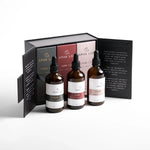
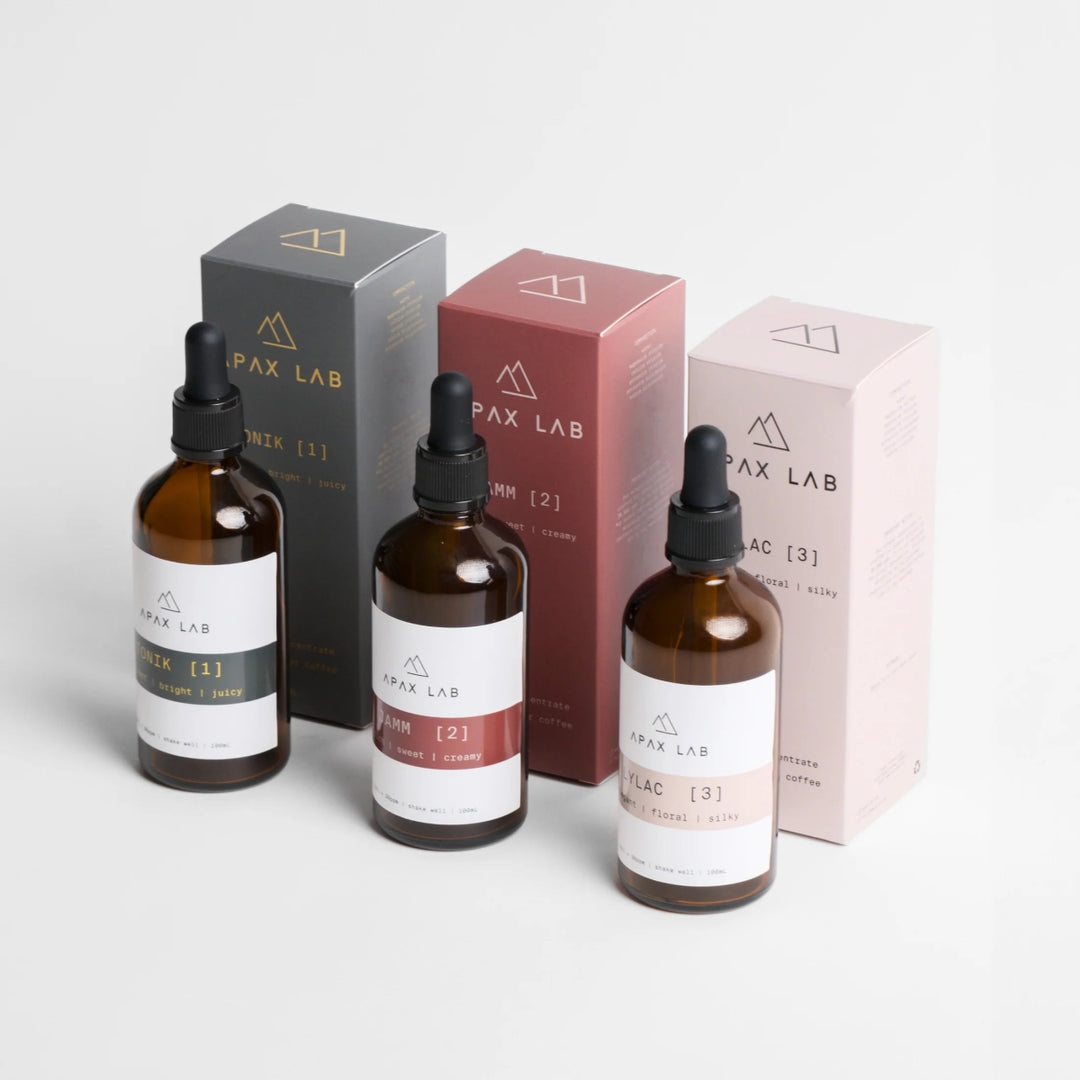
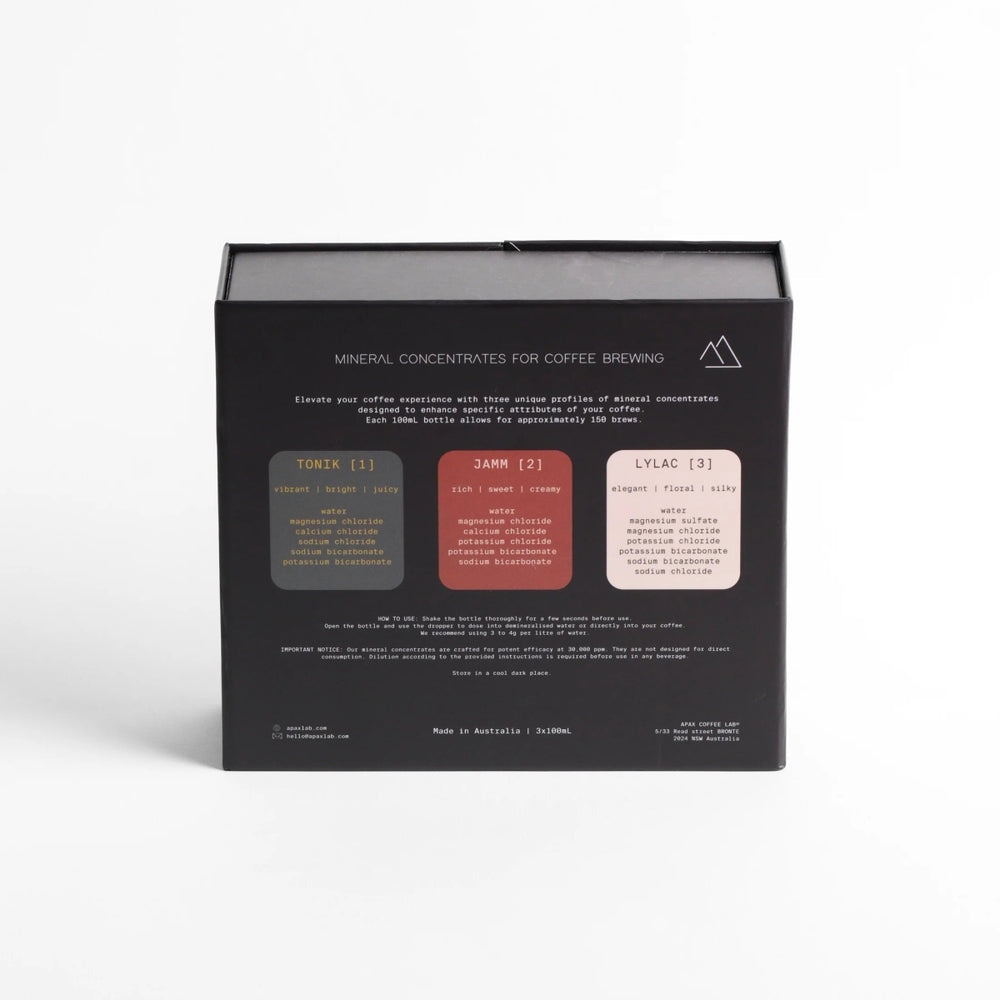
If you already use RO water, the solution is to remineralize it. That’s where kits like Empirical Water, Third Wave Water, or the Apax Lab Box Set come in. They give your pure water the mineral content it needs to create a perfect cup.
Empirical Water and Scientific Precision
For the data-driven brewer, Empirical Water offers different formulas depending on your personal preference. Want brighter acidity? Go with one profile. Prefer smooth balance? Choose another. With measured powders, you can control taste, body, and acidity like a pro.
Great Coffee Anywhere in the World
One of the frustrations of coffee lovers traveling to other countries is inconsistent water quality. By carrying wave water or empirical water packets, you can ensure consistent results no matter the local tap water situation.
It’s a way to protect your brewing habits and guarantee a great coffee experience everywhere.
The Importance of Water Quality in Espresso
Espresso is unforgiving. Even slight differences in water chemistry impact the taste, balance, and body of your shot. Using the best water for coffee ensures your espresso has sweetness without bitterness, acidity without sourness, and crema without astringency.
For baristas, this difference is huge—it’s the difference between a pretty good shot and a competition-worthy one.
Making an Informed Decision About Coffee Water
Choosing your coffee water setup depends on your personal preference, budget, and brewing style. Whether you go for a bottled water brand, mix your own solution, or buy a ready-made kit, the important thing is consistency.
By making an informed decision, you protect your gear, save money on repairs, and most importantly, get a better-tasting cup every time.
Introducing the Apax Lab Box Set
At Bean Bros, we’re passionate about helping customers brew with confidence. That’s why we recommend the Apax Lab Box Set, designed specifically to give you perfect water for coffee.
For those looking to deepen their understanding, a comprehensive video course on water chemistry and brewing techniques is available, providing detailed guidance and recipes to help both home baristas and professionals improve their coffee water profiles.
This set allows you to explore different water profiles, experiment with minerals, and find what works best for your beans. Whether you’re chasing balance for filter coffee or depth for espresso, the Apax Lab kit helps you dial in water for coffee that enhances your brewing.
It’s an ideal companion for anyone serious about specialty coffee at home.
How to Store and Use Coffee Water
Once you’ve prepared your coffee water, keep it properly stored. Use clean gallon containers, avoid plastic that might leach odors, and keep it cool. This ensures your water stays stable, without weird tastes creeping into your next brew.
Coffee Water Maintenance
Maintaining the quality of your coffee water is just as important as selecting the right beans or perfecting your brewing technique. Regular cleaning and upkeep of your coffee maker and any water treatment systems you use are essential steps to prevent the buildup of scale and other impurities that can affect both the taste of your coffee and the longevity of your equipment. Scale, caused by minerals like calcium and magnesium, can clog your machine and dull the flavors in your cup, so it’s crucial to stay on top of maintenance.
Monitoring your water’s total dissolved solids (TDS) is another key aspect of coffee water maintenance. If you notice that your TDS levels are too high, it may be time to use a water filter or a reverse osmosis system to remove excess minerals. Conversely, if your TDS is too low, adding minerals such as magnesium sulfate or calcium citrate can help you create a balanced water profile that brings out the best in your coffee. For example, a touch of magnesium can enhance sweetness, while calcium can add structure to your brew.
Don’t forget about storage—always keep your coffee water in a clean, sanitized container to prevent contamination and preserve its quality. By following these simple maintenance tips, you’ll ensure that your water remains optimal for brewing, helping you enjoy a consistently great cup of coffee every time.
Water Profiles and Personal Preference
There’s no single formula for the best water for coffee. Some people prefer brighter acidity, others like a smoother body. That’s why experimenting with water profiles is so rewarding. It lets you tailor your coffee brewing to your taste.
Troubleshooting Common Issues
Even with the best intentions, brewing coffee can sometimes present challenges like scaling, corrosion, or uneven extraction. Scaling, often caused by high levels of calcium and magnesium in your coffee water, can lead to clogged pipes and reduced efficiency in your coffee maker. The solution? Use a water treatment system to remove excess minerals and regularly descale your equipment to keep it running smoothly.
Corrosion is another issue that can arise, especially if your water’s pH is too low or too high. This can damage your coffee maker over time and even affect the taste of your brew. To prevent corrosion, it’s important to monitor and adjust your water’s pH, aiming for a balanced water profile that protects both your machine and your cup.
Uneven extraction is a common problem that can result in coffee that tastes either too weak or too strong. This can be influenced by factors like the coffee-to-water ratio, grind size, and brewing time, but your water profile also plays a significant role. If you’re struggling to achieve the perfect cup, consider experimenting with empirical water solutions—these allow you to fine-tune the mineral content and create a customized water profile that matches your taste preferences and brewing method.
By identifying and addressing these common issues, you can optimize your coffee water and consistently brew a cup that’s full of flavor and balance.
FAQ: Water for Coffee
What is the best water for coffee?
The specialty coffee association recommends water with balanced minerals, around 150 ppm TDS, medium hardness, and controlled alkalinity.
Can I brew coffee with tap water?
Yes, but it depends on your local supply. Some tap water has chlorine or too much hardness, which negatively affects flavor.
Is distilled water good for coffee?
No. Distilled water lacks minerals needed for extraction, leading to flat taste. It can also cause corrosion in machines.
What about bottled water for coffee?
Some bottled water brands are fine, but many don’t meet the right water chemistry. Check labels for calcium, magnesium, and sodium bicarbonate levels.
Why use products like Third Wave Water or Empirical Water?
They’re designed to create perfect coffee water by adjusting pure water into the right mineral content, giving you consistency anywhere in the world market.
What’s the easiest way to improve my water for coffee?
Try a kit like the Apax Lab Box Set. It’s designed for simplicity and results, helping you make better coffee without chemistry stress.
Additional Resources
If you’re eager to dive deeper into the world of coffee water and perfect your brewing technique, there are plenty of resources available to help you on your journey. The Specialty Coffee Association (SCA) is a fantastic starting point, offering comprehensive guidelines on water quality, treatment, and best practices for coffee brewing. Their courses and certifications are ideal for anyone looking to expand their knowledge and skills.
Online communities, such as Reddit’s r/Coffee, are also invaluable for connecting with fellow coffee enthusiasts, sharing experiences, and getting advice on everything from water chemistry to brewing tips. For those who prefer a more in-depth exploration, books like “Water for Coffee” by Maxwell Colonna-Dashwood and Christopher Hendon provide a thorough look at the science behind coffee water and its impact on flavor and quality.
By tapping into these resources, you’ll be well-equipped to make informed decisions about your coffee water and take your brewing to the next level.
Conclusion and Next Steps
In summary, coffee water is a foundational element of coffee brewing that can make a world of difference in the taste and quality of your cup. By paying attention to water quality, choosing the best water for coffee, and maintaining your equipment, you set yourself up for consistently great coffee experiences. Whether you’re using tap water, bottled water, or creating your own custom water profile, the key is to ensure the right mineral content, pH, and purity for optimal extraction and flavor.
Now is the perfect time to put this knowledge into action. Start experimenting with different water profiles, try out water treatment systems, and don’t be afraid to adjust your approach based on your personal taste preferences. Remember, the best water for coffee is balanced, free from impurities, and tailored to bring out the unique flavors of your beans. With a little effort and curiosity, you’ll be able to create a perfect cup of coffee every time—one that you’ll truly love. So go ahead, take your coffee brewing to the next level, and enjoy the difference that great coffee water can make!
Read Less