Bialetti Moka Express and Italian Tradition
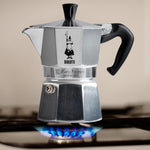
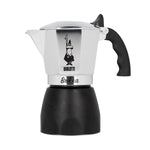
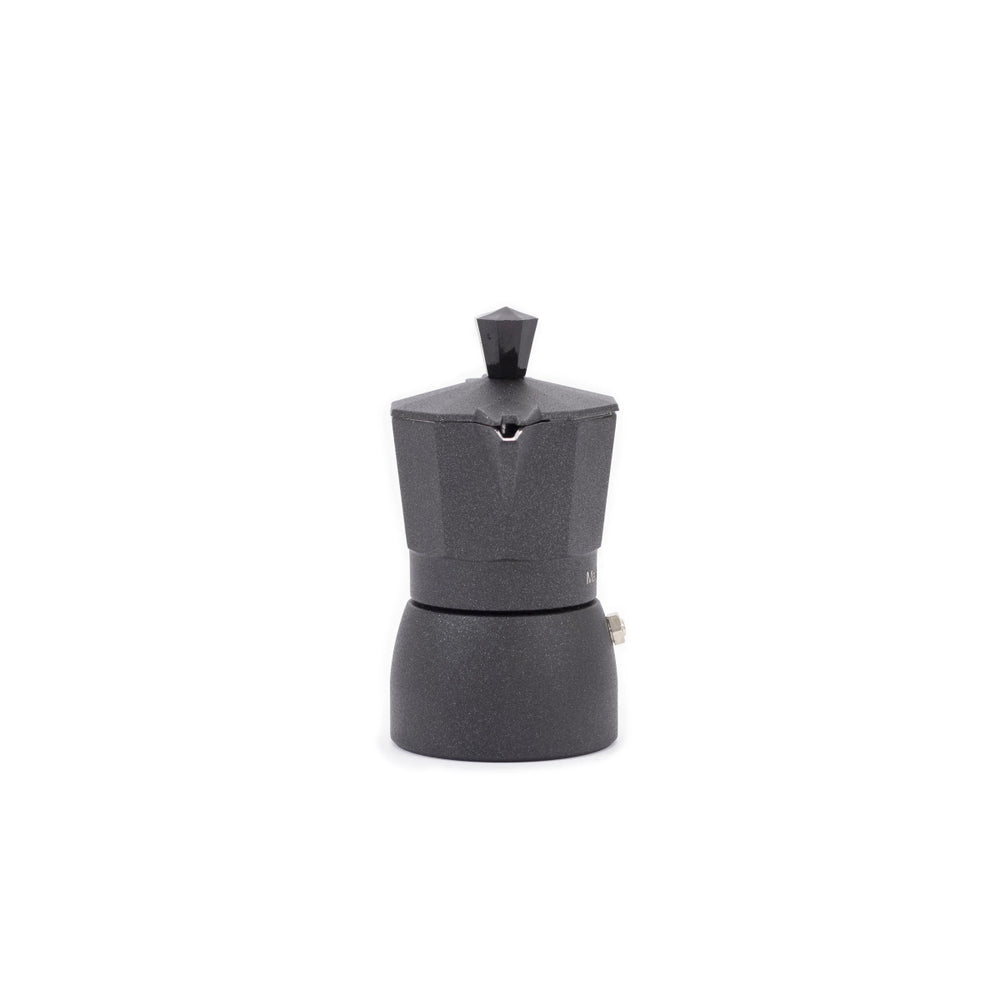
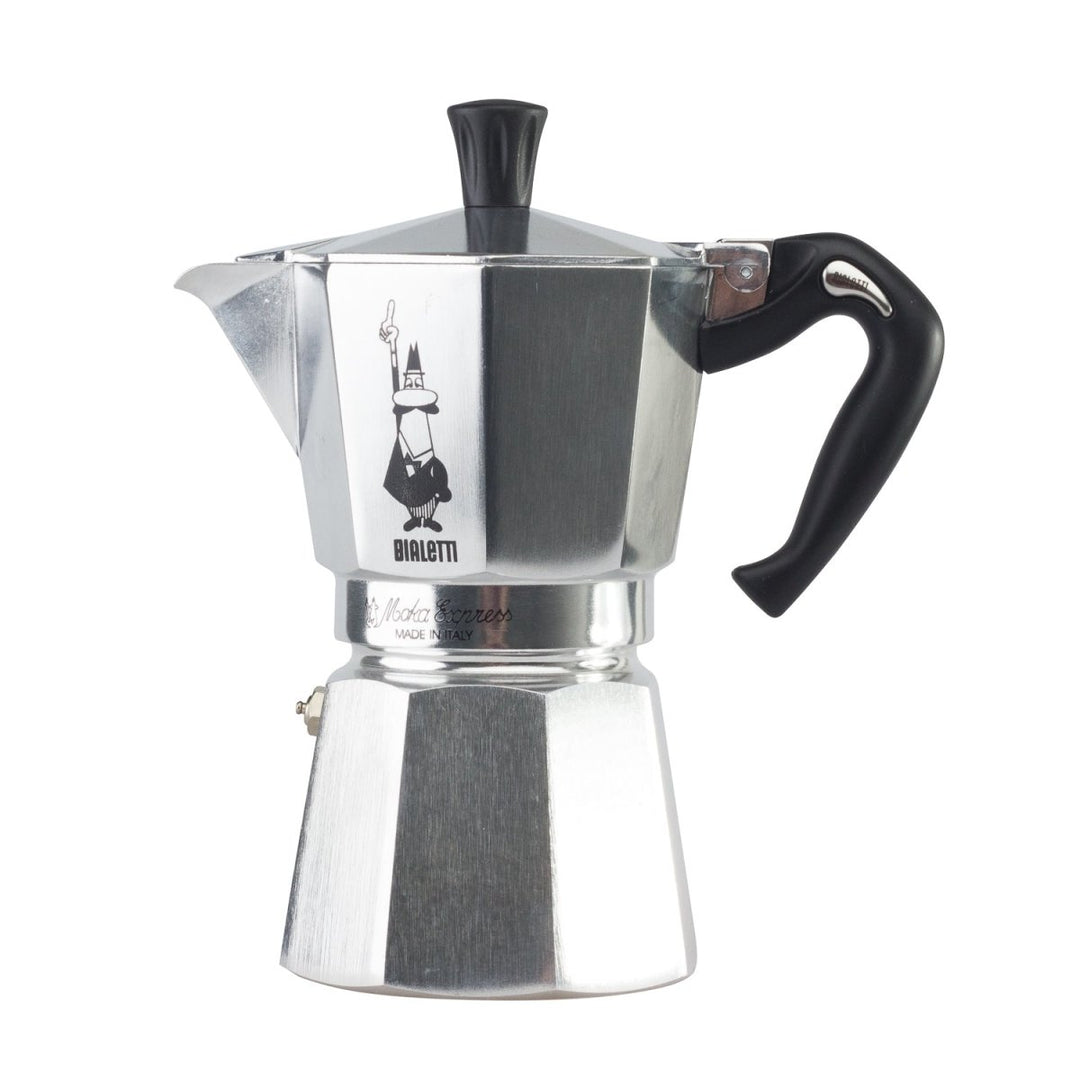
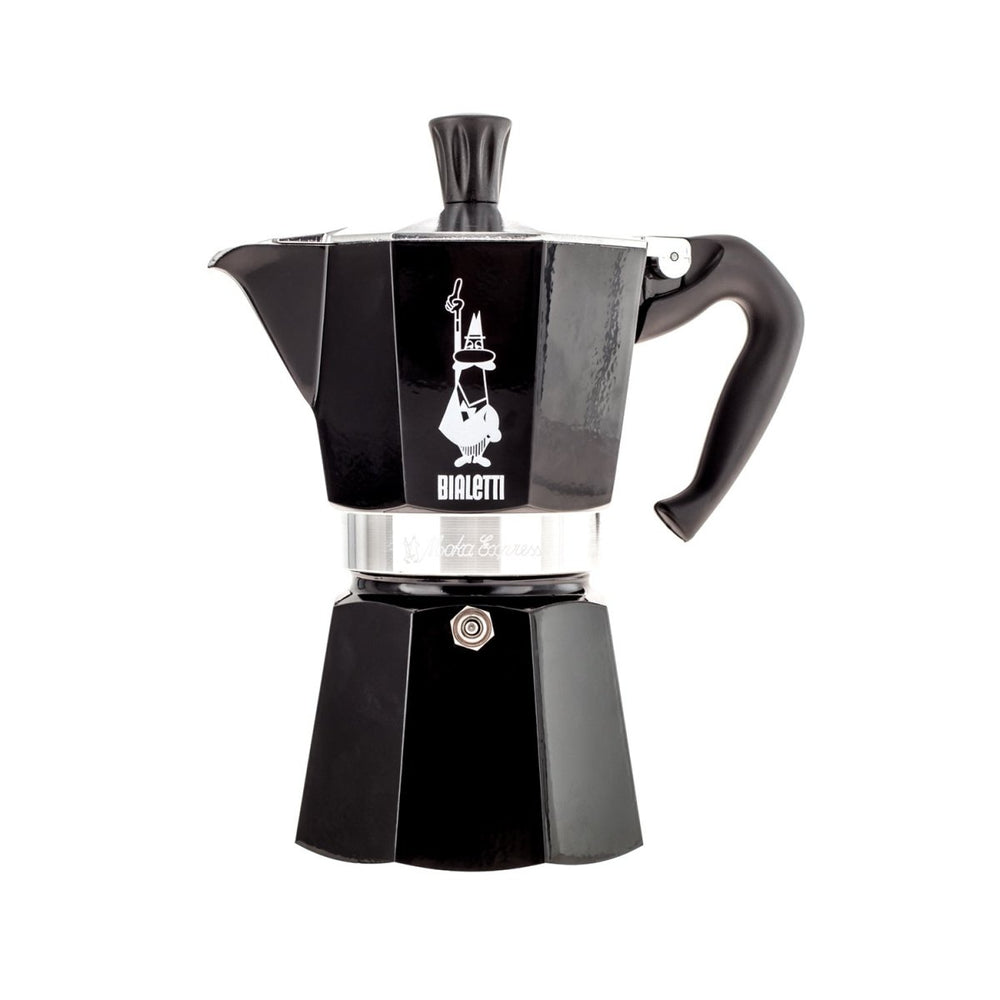
The Bialetti Moka Express is the most famous moka design, recognized worldwide for its octagonal shape and safety valve. Compact and reliable, the bialetti moka pot embodies Italian craftsmanship and is still produced today much like it was when first invented. This brewer is a true connection to tradition, offering the joy of authentic Italian coffee in your kitchen.
Moka Express and Its Practical Design
The moka express is made of aluminum, which conducts heat quickly and evenly. Its design includes a bottom boiler for water, a filter basket for coffee, and an upper chamber that collects the brew. For optimal results, ensure the pot is properly heated before brewing begins, as this helps control the extraction process. As steam pressure builds, hot water rises through the coffee grounds and delivers a full-bodied cup. Careful heating is essential during brewing to avoid over-extraction or bitterness and to achieve the best flavor. It’s a simple yet ingenious process that has stood the test of time.
Coffee with a Moka: Flavor and Balance
Drinking coffee with a moka brings a flavor that sits between drip coffee and espresso. It’s stronger than filter coffee but not as concentrated as an espresso machine shot. The balance makes it versatile—you can pour it into a cup as is, add milk for a homemade cappuccino, or even use it as a base for iced variations.
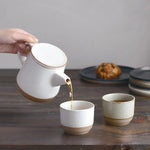
Whether one simply drinks it or eats a pastry alongside, the moka pot experience is about savoring every moment.
Brewing Method: Step by Step
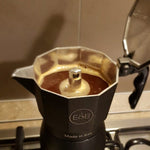
The moka brewing method is straightforward. You start by filling the bottom chamber with cold water up to the safety valve. Next, you add course or medium-fine coffee grounds into the basket without pressing them down. After assembling, putting the pot on the stove or induction hobs is the next step. Within minutes, you’ll hear the bubbling and gurgle as the coffee rises into the collector at the top. Remove it from the flame once the bubbling slows and enjoy immediately.
Why the Moka Pot Endures
Part of the moka pot’s charm is its durability. With proper care, a single brewer can last for decades. Many are dishwasher safe, though hand cleaning is recommended to protect the rubber gasket and avoid a blocked filter. This longevity, combined with affordability, makes the moka pot a great investment for coffee lovers worldwide.
Heat, Pressure, and Aroma
Unlike pump-driven machines, the moka pot relies on natural pressure created by boiling water. As heat builds, the water is forced through the grounds at just the right ratio. This unique process produces a rich and aromatic brew that is unmistakably moka. Adjusting the heat or timing by a bit can influence the final flavor, allowing you to fine-tune your brew to your taste. It may not be a “true” espresso, but it captures much of the same intensity and crema-like foam.
Safety Features: Valve and Gasket
The moka pot’s safety valve and rubber gasket are essential components. The valve releases excess steam if the basket is overfilled or the filter becomes blocked, preventing accidents. Meanwhile, the gasket ensures a tight seal so water doesn’t leak during brewing. Regular cleaning and inspection of these parts ensure smooth and safe brewing for years.
Moka Pot Coffee and Temperature Control
Getting the best from moka pot coffee often comes down to temperature. Using cold water and removing the brewer from heat at the right moment keeps your coffee balanced. If left too long, the coffee may taste bitter. Learning to manage boil time and flame level is part of the craft.
Italian Culture and the Moka Experience
In Italy, no kitchen is complete without a moka pot. Families often own a couple of different sizes—from a single cup model to larger ones for gatherings. The upper chamber full of moka coffee has become a symbol of hospitality, always ready to continue brewing when friends arrive.
Cleaning and Maintenance
To keep your moka pot in top condition, it’s important to clean it after each use. Simply remove the grounds, rinse the parts with hot water, and allow them to dry. Avoid soap, as it can affect the flavor. While some models are dishwasher safe, hand washing is the safest way to preserve the quality of the metal and gasket.
Modern Moka Options at Bean Bros
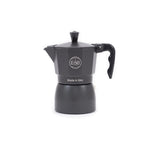
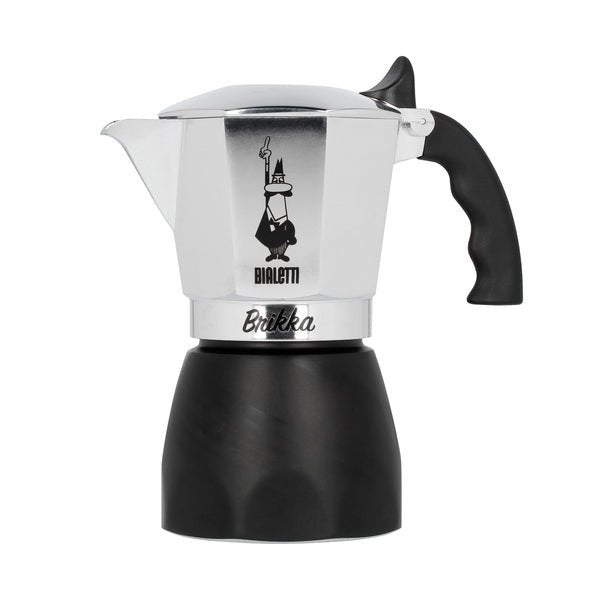
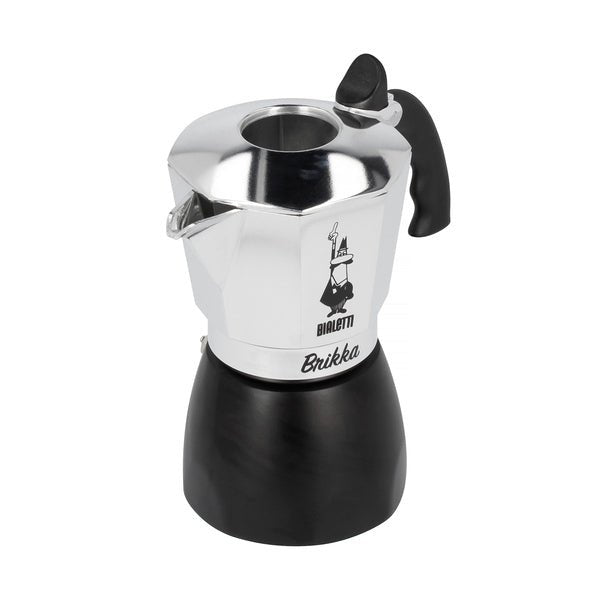
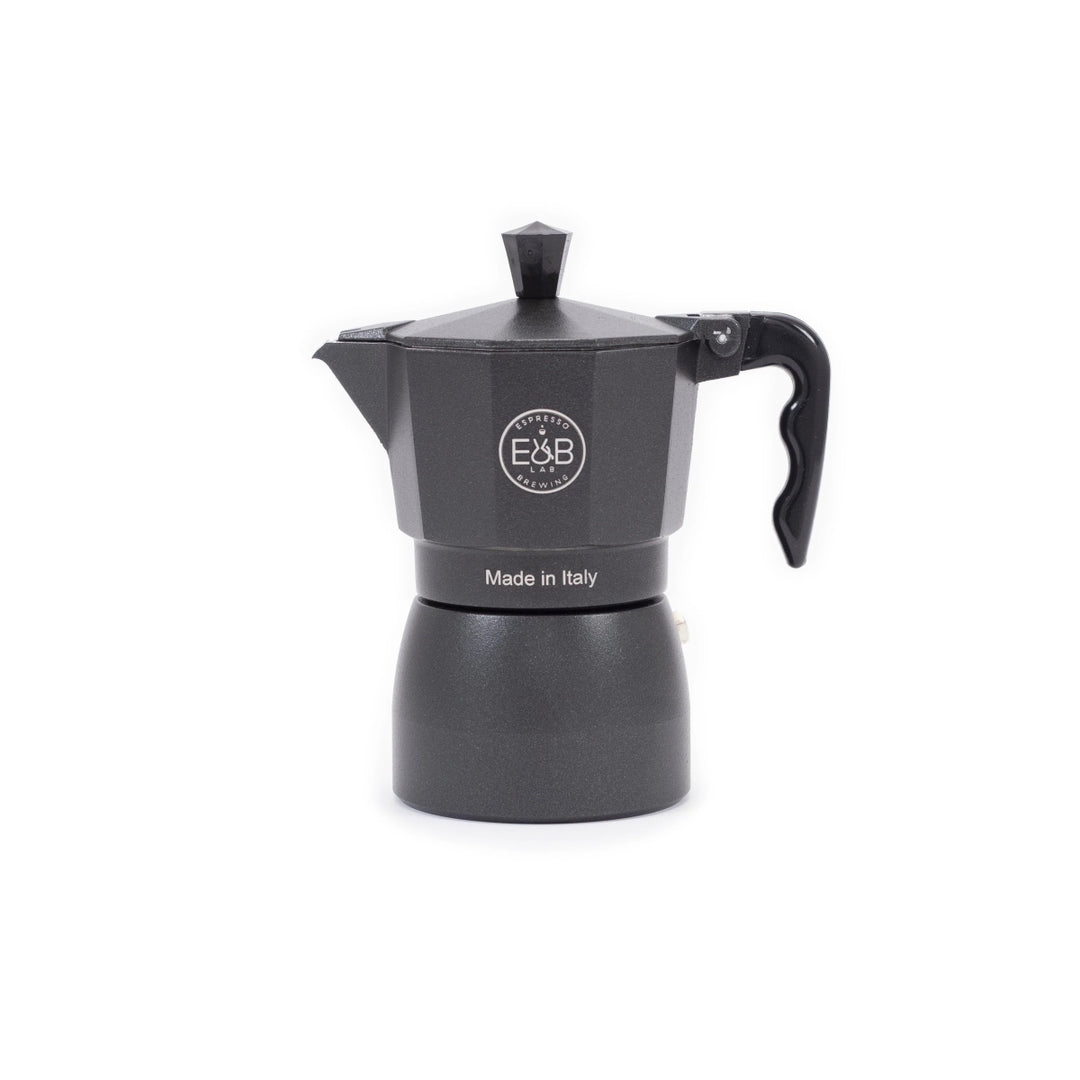
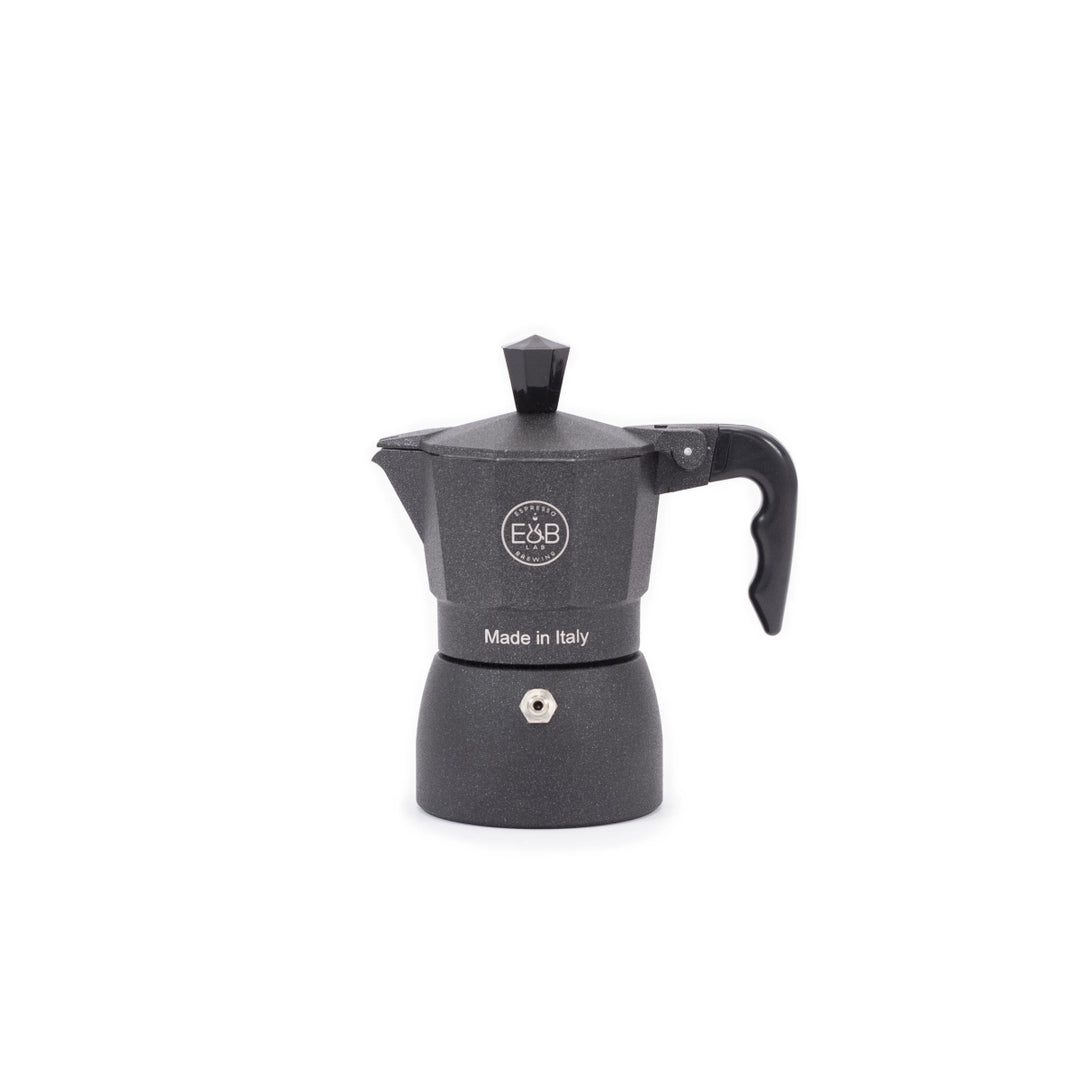
At Bean Bros, we’ve handpicked moka designs that honor tradition while offering modern reliability:
Each model is designed to produce flavorful moka while being easy to use, clean, and enjoy. Whether you’re a newcomer or an experienced moka fan, our range has the right pot for your countertop.
The Sound of a Moka Pot
One of the most charming parts of using a moka pot is the sound. That familiar gurgle signals that your coffee is almost ready. It’s a cue to turn off the heat, prepare your cup, and get ready to enjoy a fresh, delicious cup of moka.
Induction and Electric Adaptations
While the traditional moka is meant for stove tops, modern versions are compatible with induction hobs and even electric heaters. These adaptations ensure the moka remains relevant in every type of kitchen, from classic Italian apartments to sleek modern homes.
Moka Pot: A Regular Page in Coffee History
Few brewers have earned such a loyal following. The moka pot has become a regular part of coffee history, bridging the gap between tradition and modern convenience. From its invention to its global spread, it continues to prove why simple ideas often last the longest.
FAQ: Moka Pot
What is a moka pot?
A moka pot is a stovetop coffee maker invented in Italy that brews coffee by passing boiling water through ground coffee using steam pressure.
Is moka pot coffee like espresso?
Not exactly. While it shares similarities, moka coffee has less pressure than an espresso machine, resulting in a strong but slightly lighter taste.
Can I use a moka pot on induction hobs?
Yes, but only certain models are designed for induction hobs. Look for moka pots labeled induction-compatible.
How do I clean a moka pot?
After brewing, remove the grounds, rinse with hot water, and let it dry. Avoid soap unless the manufacturer states it’s dishwasher safe.
Why does my moka pot taste bitter?
Overheating or leaving it on the stove too long can over-extract the coffee, making it bitter. Try removing it from heat as soon as you hear the gurgle.
What size moka pot should I buy?
It depends on how many people you brew for. Sizes range from one cup to 12. Keep in mind moka pots are not adjustable—you can’t brew less than their full capacity without affecting flavor.
What happens if the filter is blocked?
A blocked filter can stop water from passing through. Check the safety valve, rubber gasket, and filter regularly to prevent issues.