





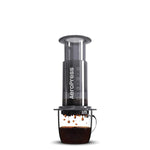
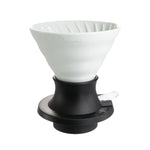
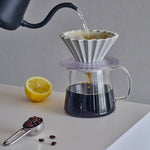
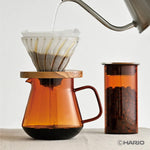
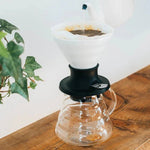










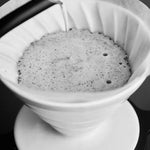


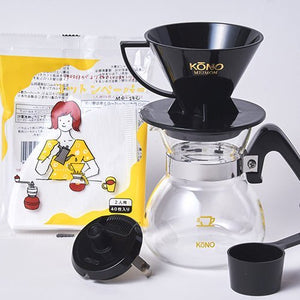
Take your coffee brewing to the next level with steep and release brewers, offering the perfect balance of convenience and quality for crafting great coffee at home. This innovative brewing method merges the immersion process of a French press with the clean filtration of a paper filter, resulting in a smooth, full-bodied cup every time.
Read More
What is a Steep and Release Coffee Brewer?
A steep and release coffee brewer is a clever and innovative way to prepare your daily cup. It combines elements of immersion brewing and drip-style coffee brewing, giving you the best of both worlds. The steep and release process is a unique brewing method that merges the control of pour over with the richness of immersion techniques. Instead of water simply flowing through the grounds, the coffee is allowed to steep first, before being released into your mug or pot. This method brews coffee with a perfect balance between strength, clarity, and body.
Read Less
Why Ground Coffee Matters
The choice of ground coffee is central to how your brew tastes. A medium coarse grind is typically recommended for steep and release brewers, as it supports even extraction and prevents clogging the paper filter. Selecting the right course grind size is essential for achieving optimal results with this brewing method. Too fine, and you risk over-extraction and bitterness; too coarse, and your cup of coffee may taste weak.
Read More
Understanding Coffee Brewing with Steep and Release
At its core, coffee brewing in this method allows you to pour hot water evenly over the grounds, let them steep, and then control when the liquid flows. This small adjustment in the brewing process opens up an idea for experimenting with flavor, aroma, and strength, helping you achieve the best results in your cup.
Building a Proper Coffee Bed
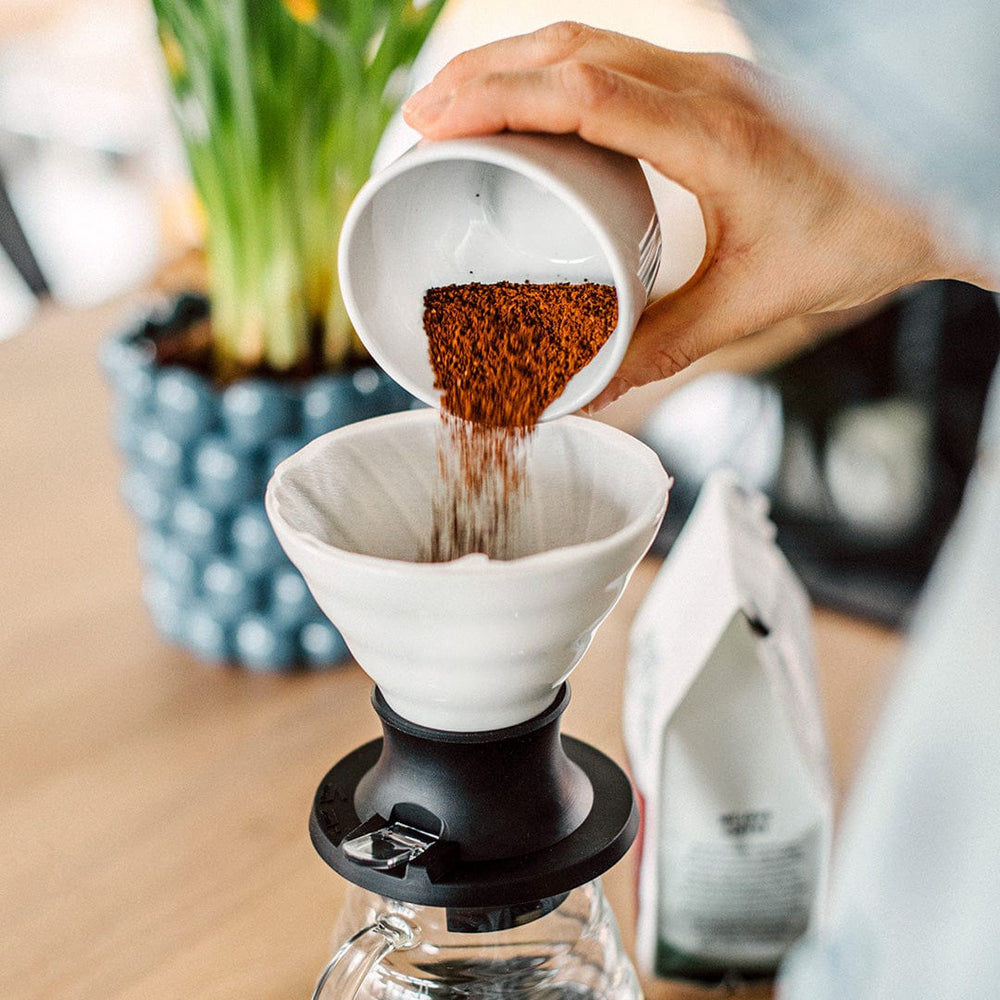
The coffee bed is the layer of coffee grounds inside the brewer. Pouring water evenly across it ensures uniform wetting, reduces agitation, and promotes more clarity in the final cup. A flat coffee bed also helps maintain a steady flow when the valve is opened.
Playing with Brew Ratio
The brew ratio—the balance between water and coffee—can be fine-tuned depending on your taste. A common quantity guideline is 1:15 (one part coffee to fifteen parts water). Adjusting the ratio lets you create a full bodied cup or a lighter, more tea-like liquid.
How Release Brewers Work
Release brewers use a valve mechanism at the base. When closed, the water and grounds remain together, allowing users to steep for the desired steep time. When opened, the flow begins, pulling the brewed coffee into the lower chamber, mug, or server.
Choosing the Right Coffee Maker
A coffee maker that supports steep and release brewing is more versatile than many traditional brewing methods. It adapts well for those who prefer control over brew time, temperature, and extraction.
Why Immersion Brewing is Key
The steep and release design is a form of immersion brewing, similar to a french press, but with one key difference: instead of plunging, you simply release the valve. This means less pressure, less mess, and more opportunities to experiment with flavors.
The French Press Comparison
When comparing a french press to a steep and release brewer, you’ll notice similarities in brew time and steep time, but the difference lies in the paper filtration. While a press gives you sediment and heavy oils, a release brewer offers more clarity in the final cup.
What Makes Steep and Release Special
The magic of steep and release comes from its simplicity. You can pour hot water, let the grounds rest undisturbed, then release. Unlike other brewing methods, this approach offers great coffee without constant stirring or precise agitation. However, some users choose to gently stir the grounds during steeping to ensure even extraction, though it's not required.
Heat Retention in Brewing
Heat retention is important during the steep phase. Covering the brewer with its lid keeps hot water at the ideal temperature, ensuring consistent extraction and flavor balance throughout the process.
Meet the Clever Brewer
The clever brewer is one of the most popular names in this style. It bridges the gap between a tea steeper and a drip brewer, allowing users to enjoy more clarity in their cup while still having a full bodied cup.
Coffee Grounds and Extraction
The way your coffee grounds interact with water affects flavor. Too much agitation and the brew becomes muddy; too little, and extraction may be incomplete. The steep and release design helps strike the right balance, ensuring a cup of coffee that satisfies.
Pour Hot Water Correctly
When you pour hot water evenly across the grounds, you ensure the entire coffee bed is engaged. This step prevents dry spots, helps with even extraction, and keeps the brewing process consistent.
Adjusting the Brew Ratio for Taste
Your brew ratio can be adjusted depending on whether you want a stronger cup or something lighter, closer to tea. Try adjusting the quantity of water or coffee until you find the perfect balance that matches your preferences.
Release Brewers vs Other Brewing Methods
Compared to automatic drip coffee makers, release brewers give you more control. Unlike french press brewing, they use paper filtration, which delivers more clarity and reduces oils in the final brew.
The Brewing Process in Detail
The brewing process typically includes four steps: add grounds, pour hot water, steep, and release. Within these steps, you can tweak brew time, steep time, and temperature to discover new taste profiles.
Why Paper Filtration Matters
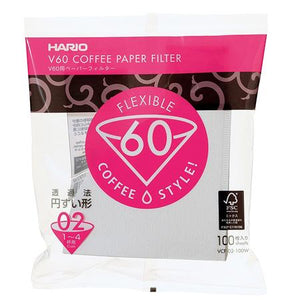
Using a paper filter adds cleanliness to the brew. It removes fines, delivers more clarity, and makes clean-up easier. Unlike metal filters, it also prevents clogging when you use a medium coarse grind.
How to Control Steep Time
The steep time is key to flavor development. A short steep may result in under-extraction, while too long creates bitterness. Experiment with 2–4 minutes to find your perfect balance.
Lower Chamber and Flow
When released, the liquid travels into the lower chamber or directly into your mug. This process is smooth, thanks to the built-in valve. The design minimizes agitation and helps preserve clarity.
Experimenting with Brewing
A steep and release brewer encourages you to experiment. Adjust water temperature, try different beans, or vary the brew ratio. Each small change can create a new taste experience.
Using Boiling Water vs Controlled Heat
While some may prefer using boiling water, adjusting to around 92–96°C often improves results. This helps maintain the ideal temperature for balanced extraction without scalding the grounds.
Clever Ideas with the Clever Brewer
The clever brewer has become a staple in cafes and homes around the world. Its simple process and reliable results make it a smart combination of convenience and quality.
Our Selection of Steep and Release Brewers
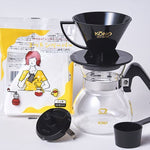
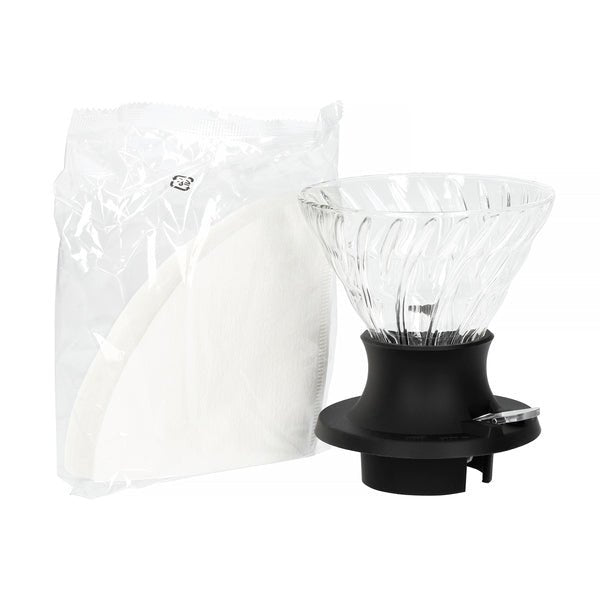
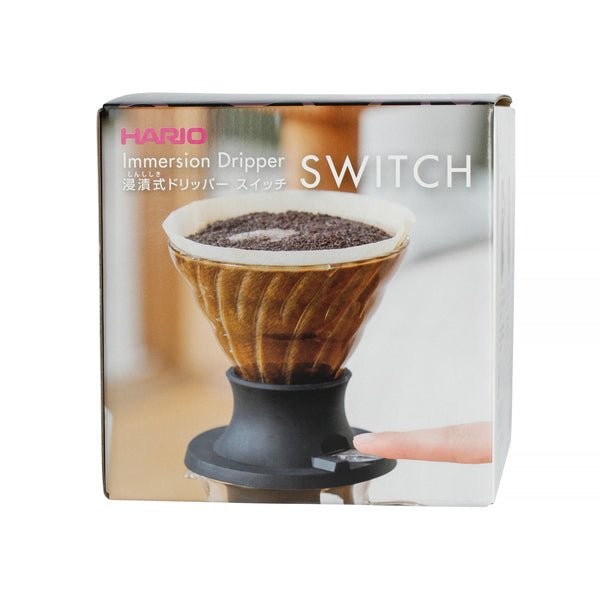
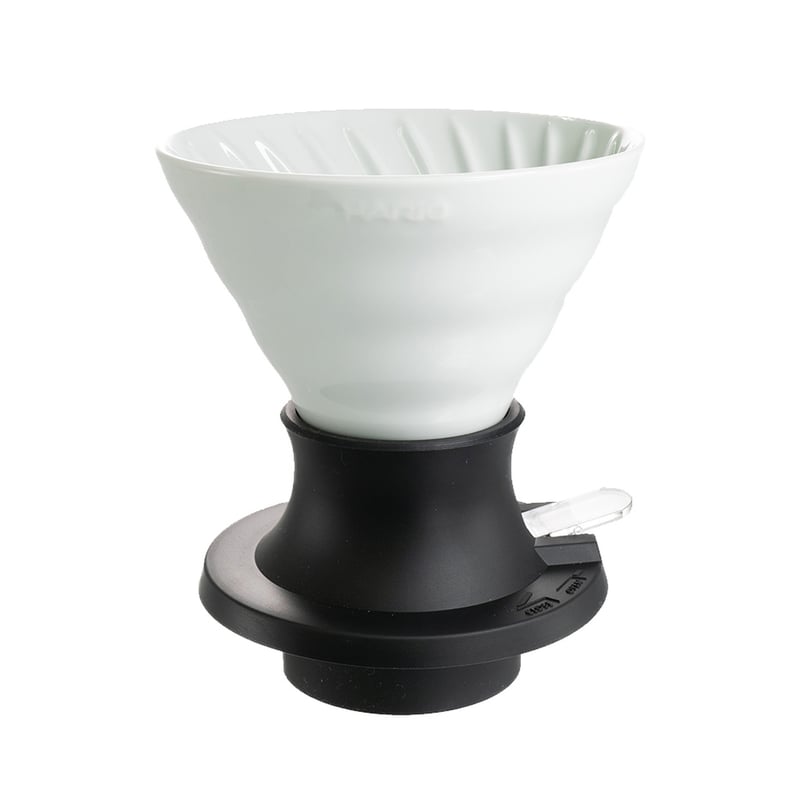
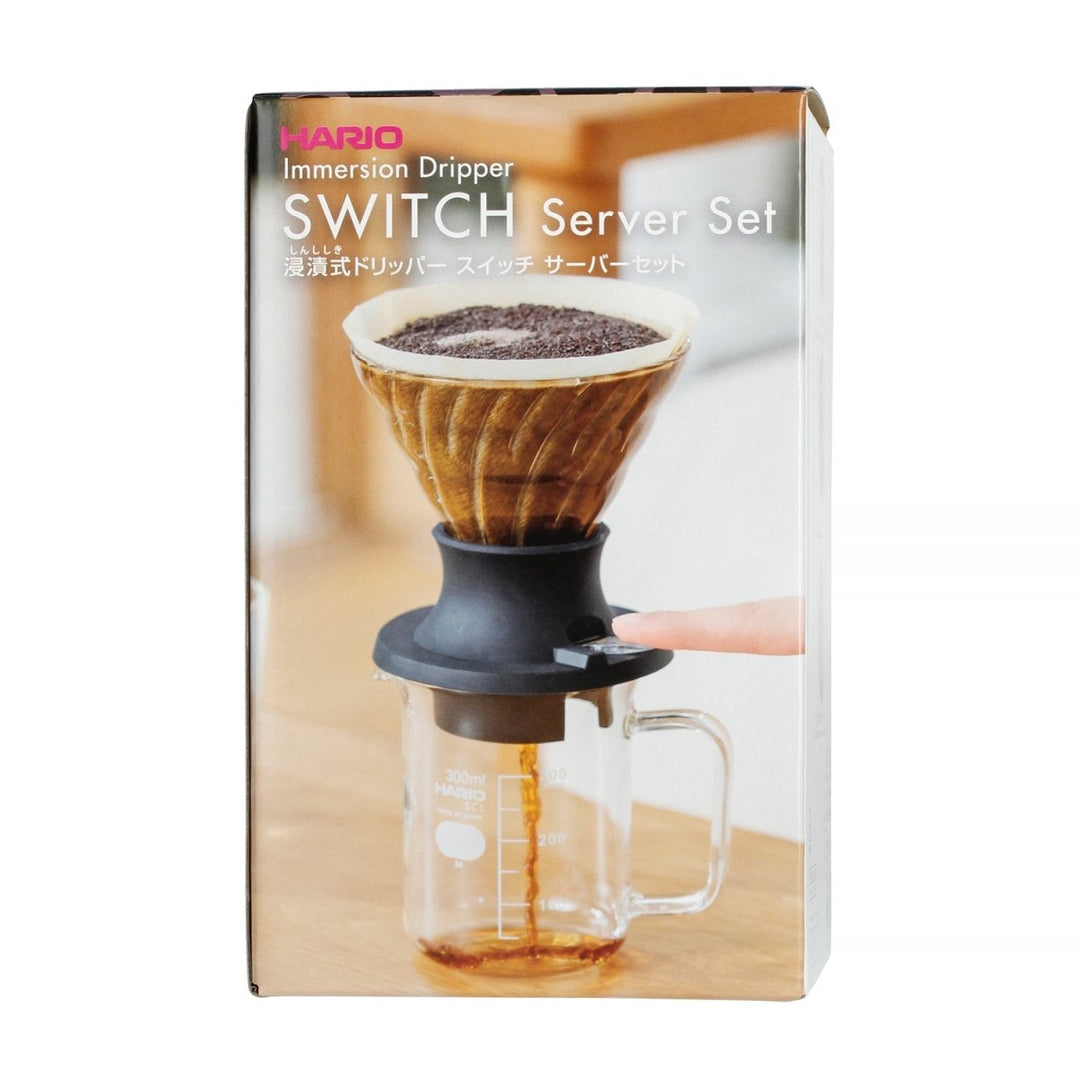
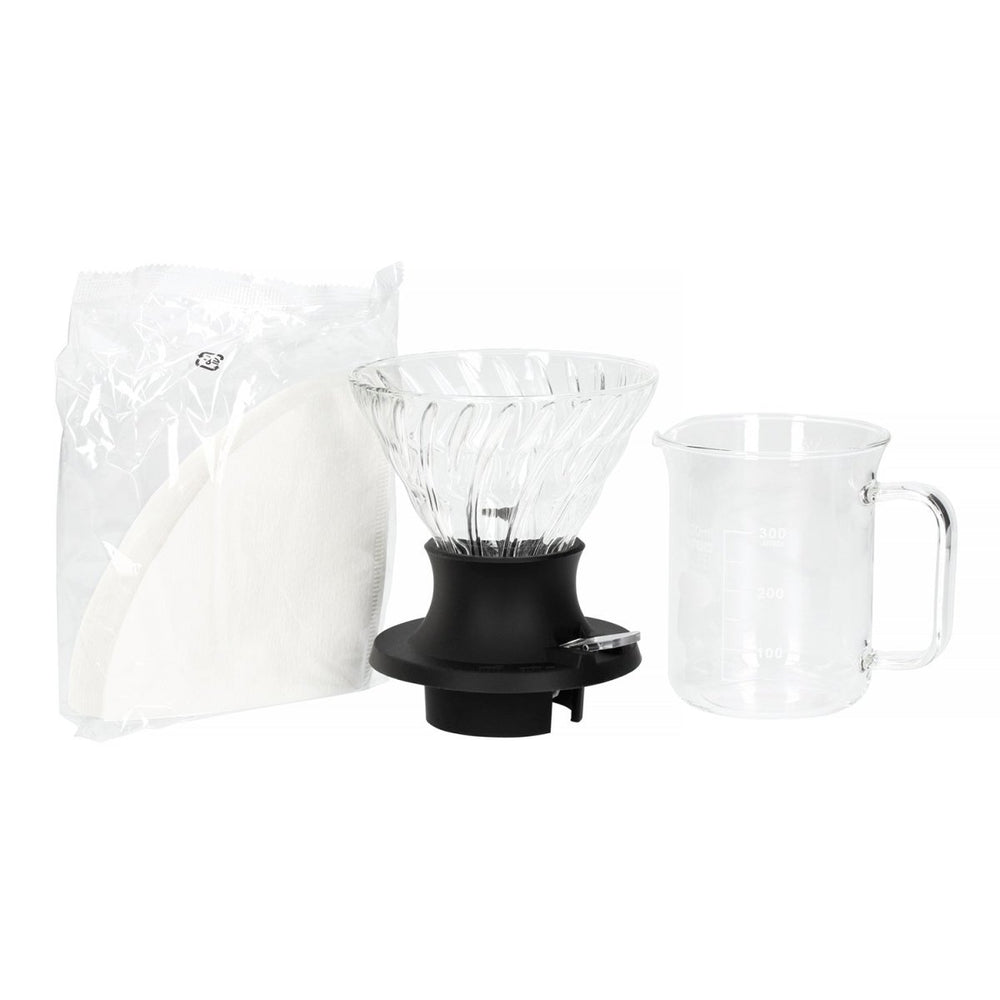
At Bean Bros, we’ve curated a thoughtful range of steep and release brewers. Explore the Hario Immersion Switch Coffee Dripper + Filters, the Hario Immersion Switch Coffee Dripper + Server Set, and the Hario Immersion Switch White Ceramic Dripper. These products are designed for coffee lovers who want a full bodied cup with more clarity, giving them the freedom to experiment with their brewing methods.
Why Steep and Release Works for Tea Too
Interestingly, this style also suits tea brewing. The steep phase allows delicate leaves to infuse fully, while the release ensures a clean liquid in your mug.
The Role of Agitation in Brewing Coffee
Some coffee brewing techniques involve stirring to increase extraction, but steep and release brewers reduce the need. With minimal pressure, the design promotes clarity without over-extraction.
Creating a Routine with Your Brewer
Once you get comfortable with your brewer, you’ll find it easy to store, use, and repeat your recipe daily. Over time, you’ll prefer this method for its consistency and simplicity.
Why the Steep and Release Coffee Brewer Has Gained Popularity
From baristas to home enthusiasts, the steep and release coffee brewer has pulled attention around the world. Its combination of immersion brewing and filtration delivers a cup of coffee with balance, clarity, and control.
FAQ: Steep and Release Coffee Brewer
What is a steep and release coffee brewer?
It’s a brewer that combines immersion and drip techniques. Coffee steeps in hot water, then is released through a valve into your cup or pot.
How do you use a steep and release coffee brewer?
Add grounds, pour hot water evenly, steep for 2–4 minutes, and release the valve. The coffee flows into the lower chamber or mug.
What grind size should I use?
A medium coarse grind is recommended for even extraction and avoiding clogs.
How does it compare to a French press?
Unlike a french press, it uses paper filtration, resulting in more clarity and less sediment.
Can you use it for tea?
Yes, the steep and release design is also excellent for brewing loose-leaf tea.
What’s the ideal water temperature?
Aim for 92–96°C, slightly below boiling water, to maintain flavor without bitterness.
How long should I steep?
A typical steep time is 3 minutes, but you can experiment depending on the strength you prefer.
Read Less