Scales and Timers
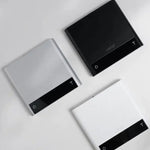
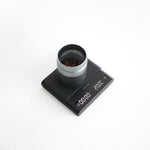
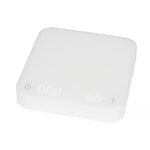
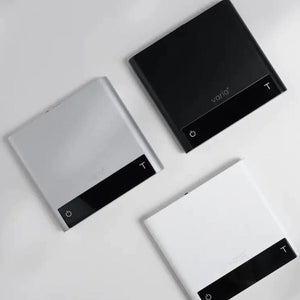
Brew ratios matter. A 1:15 coffee-to-water ratio produces a very different cup than 1:17, and eyeballing it introduces too much variation. Digital coffee scales measure by weight for consistent ratios, letting you dial in exactly how much coffee and water you're using each time. A double espresso shot uses 18 grams of coffee - without a scale, hitting that target is guesswork.
Timers are equally important. French press coffee brews for four to five minutes. Espresso shots run roughly 25–30 seconds. Without tracking brew time, you can't isolate what's working and what isn't. Many brewing scales now include built-in timers, which simplifies the workflow.
Kettles and Temperature Control
Water temperature affects coffee extraction efficiency - too cool and you under-extract, which can emphasize acidity and taste sour or flat; too hot and you over-extract (bitter, harsh). For filter coffee, the sweet spot is around 93–96°C (200–205°F).
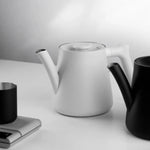
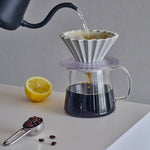
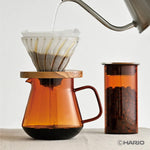
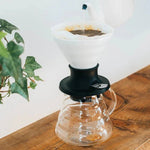
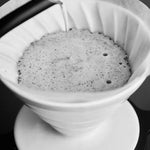
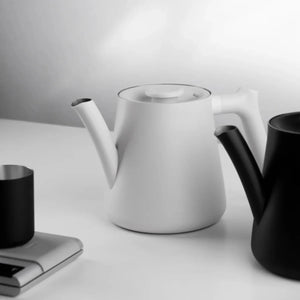
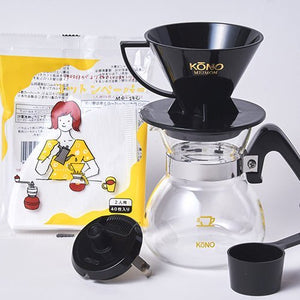
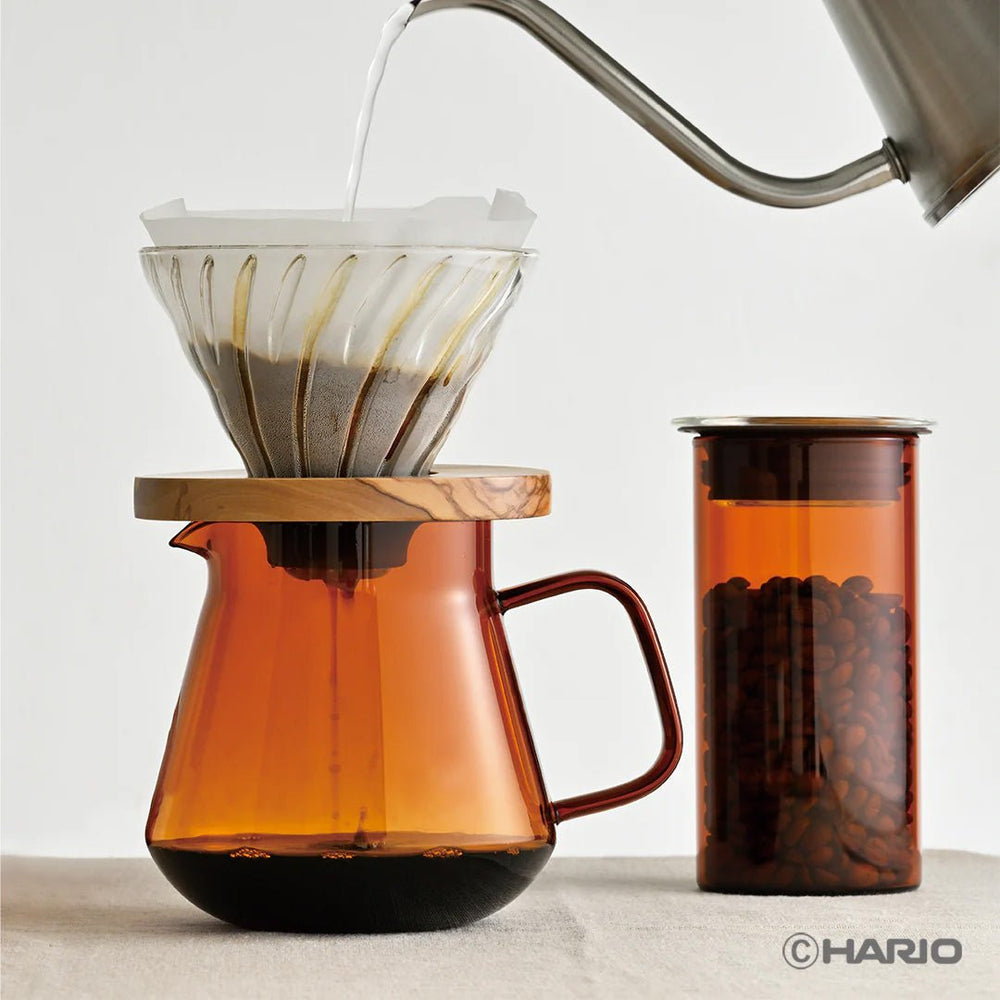
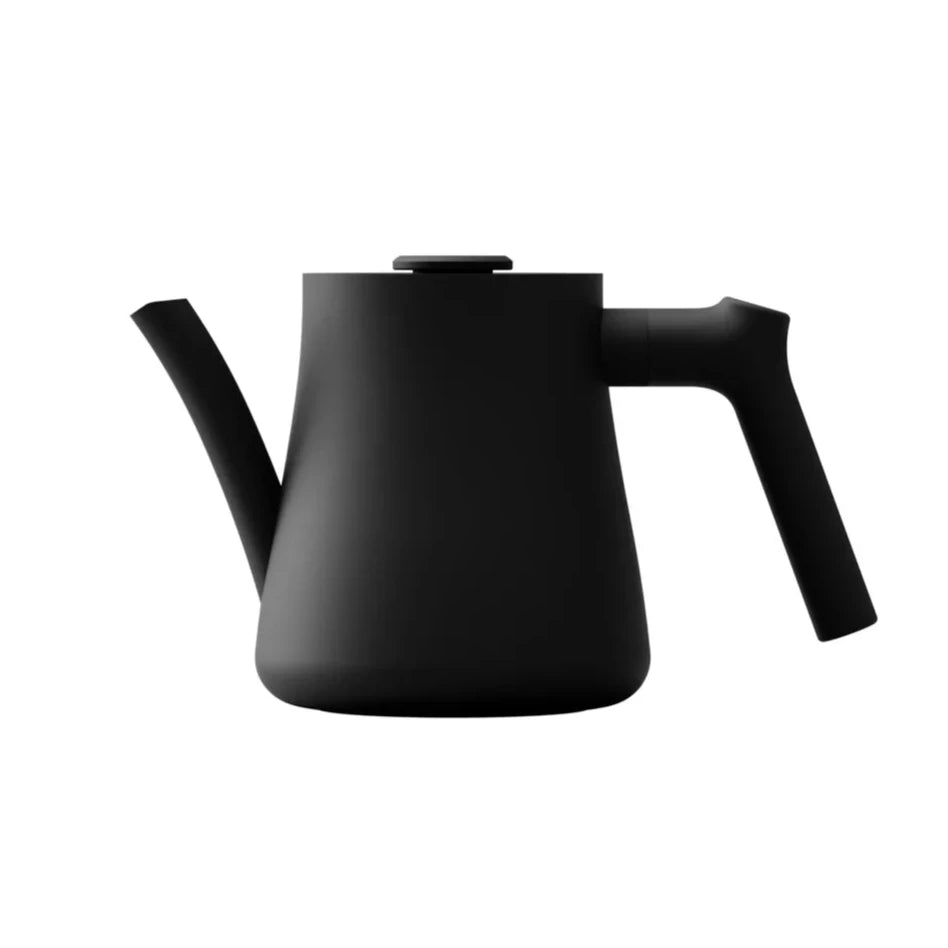
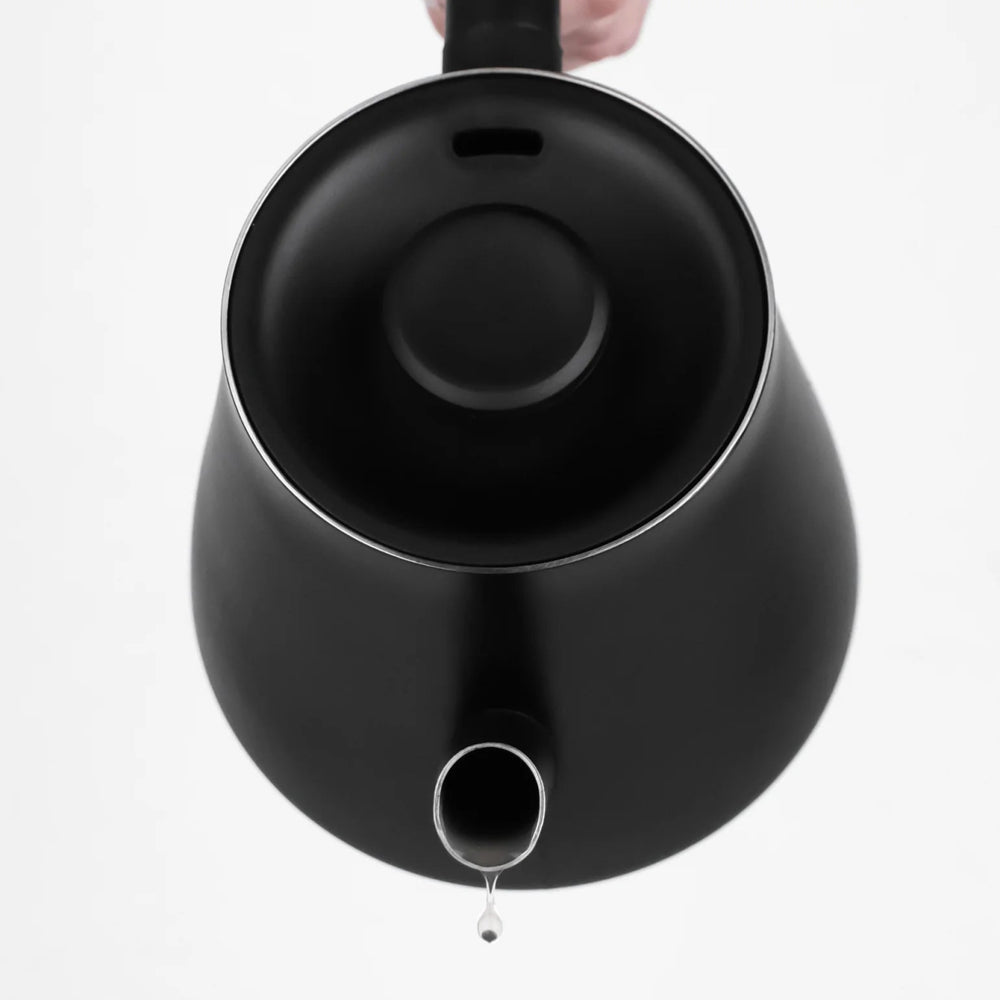
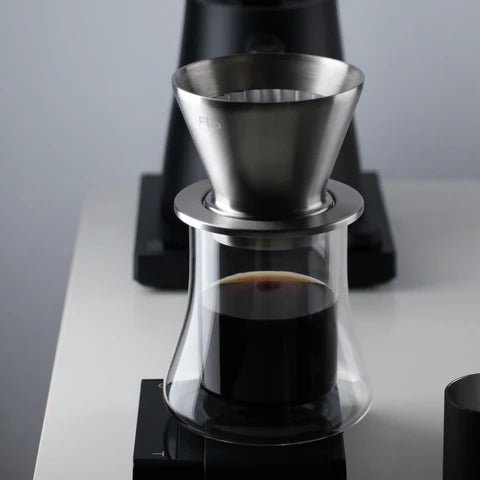
Gooseneck kettles allow precise control over water flow during pour over, letting you place water exactly where you want it at the rate you want. Paired with the right brewer, that control helps you get more even extraction cup after cup. This matters for even saturation and avoiding channeling in the coffee bed. Pour over coffee has gained popularity in recent years, and the gooseneck kettle is a big part of why - it turns a simple method into something you can truly refine. The Varia AURA Gooseneck Kettle (available in 0.8L and 1.5L) is a solid example, combining temperature control with a well-designed spout.
Filters and Papers
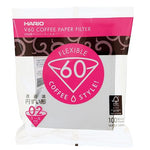
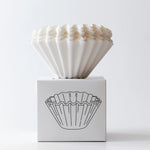
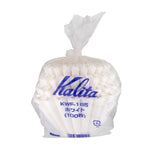
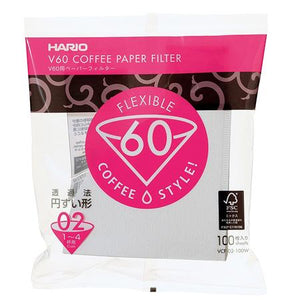
Different filters alter the body and clarity of coffee in significant ways. Paper filters trap oils and fine particles, producing a clean, bright final cup. Metal mesh filters let those oils through for a fuller, richer body - though they also allow compounds like cafestol that paper filters remove. Cloth filters sit somewhere in between, offering moderate body with decent clarity.
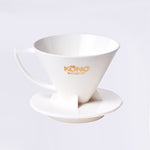
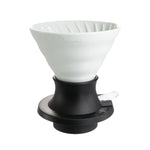
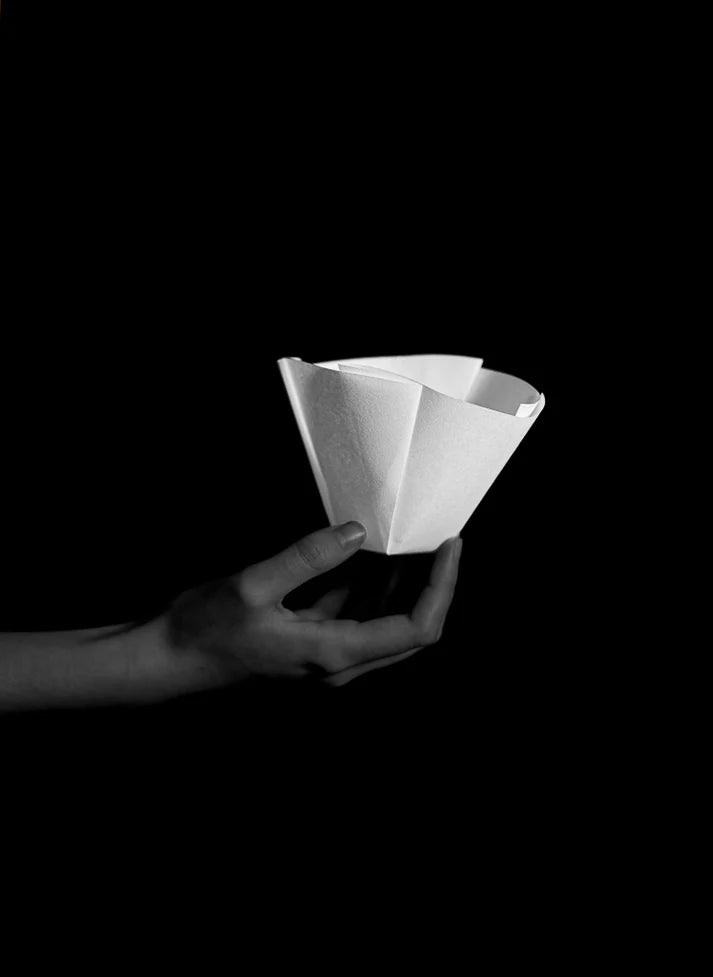
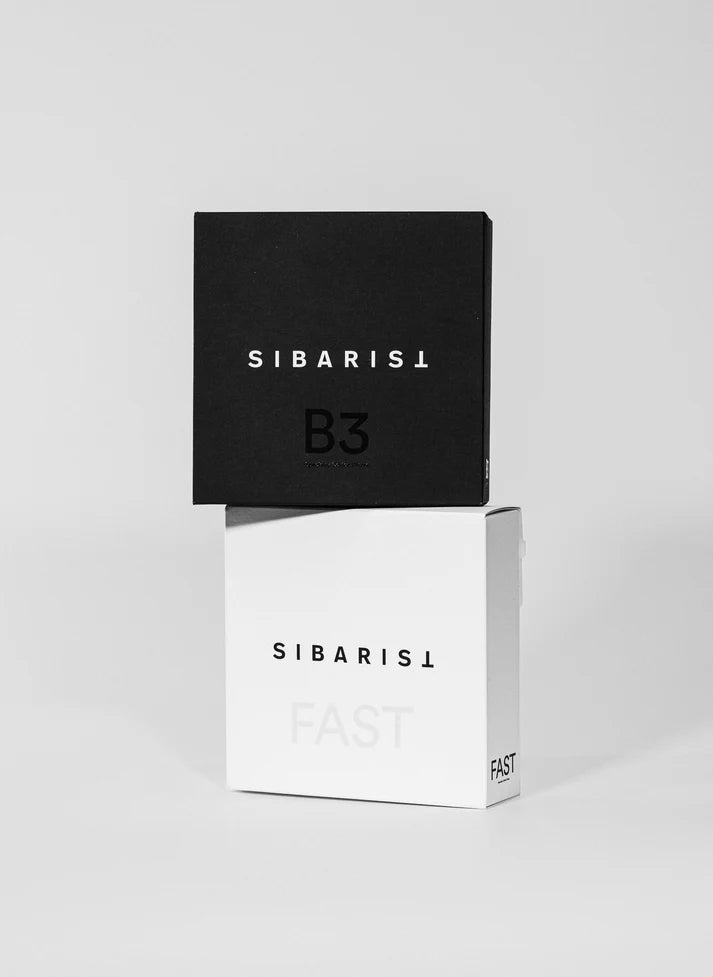
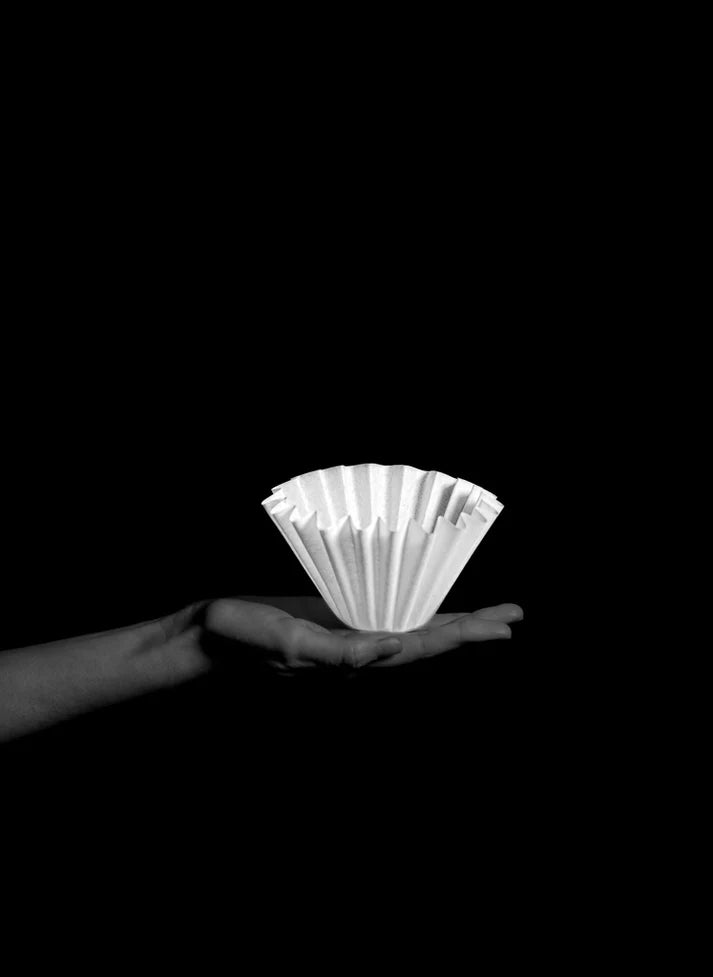
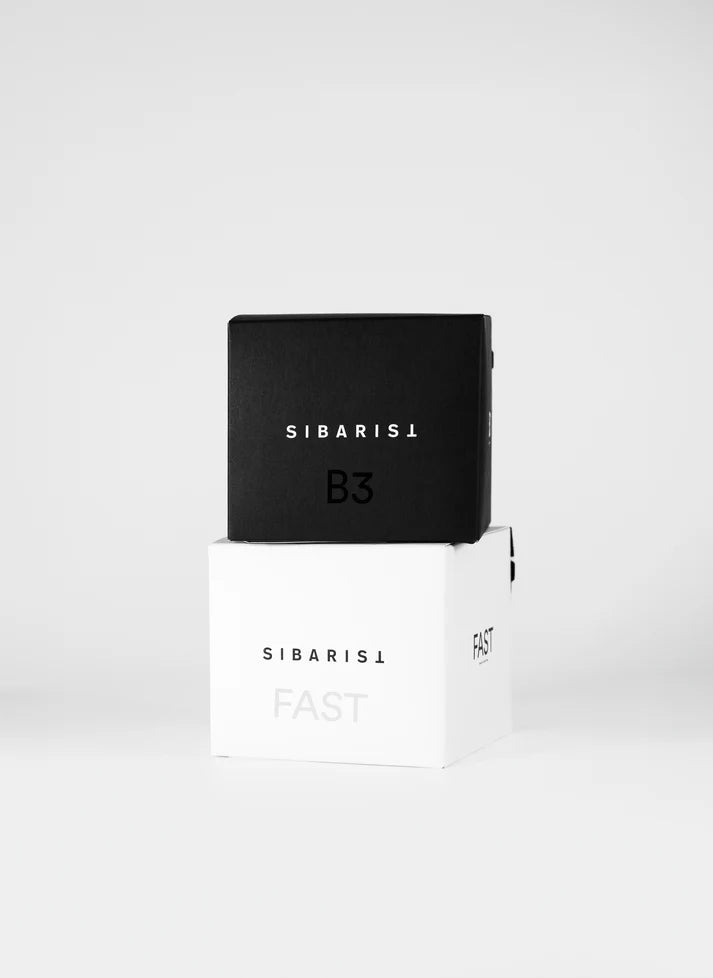
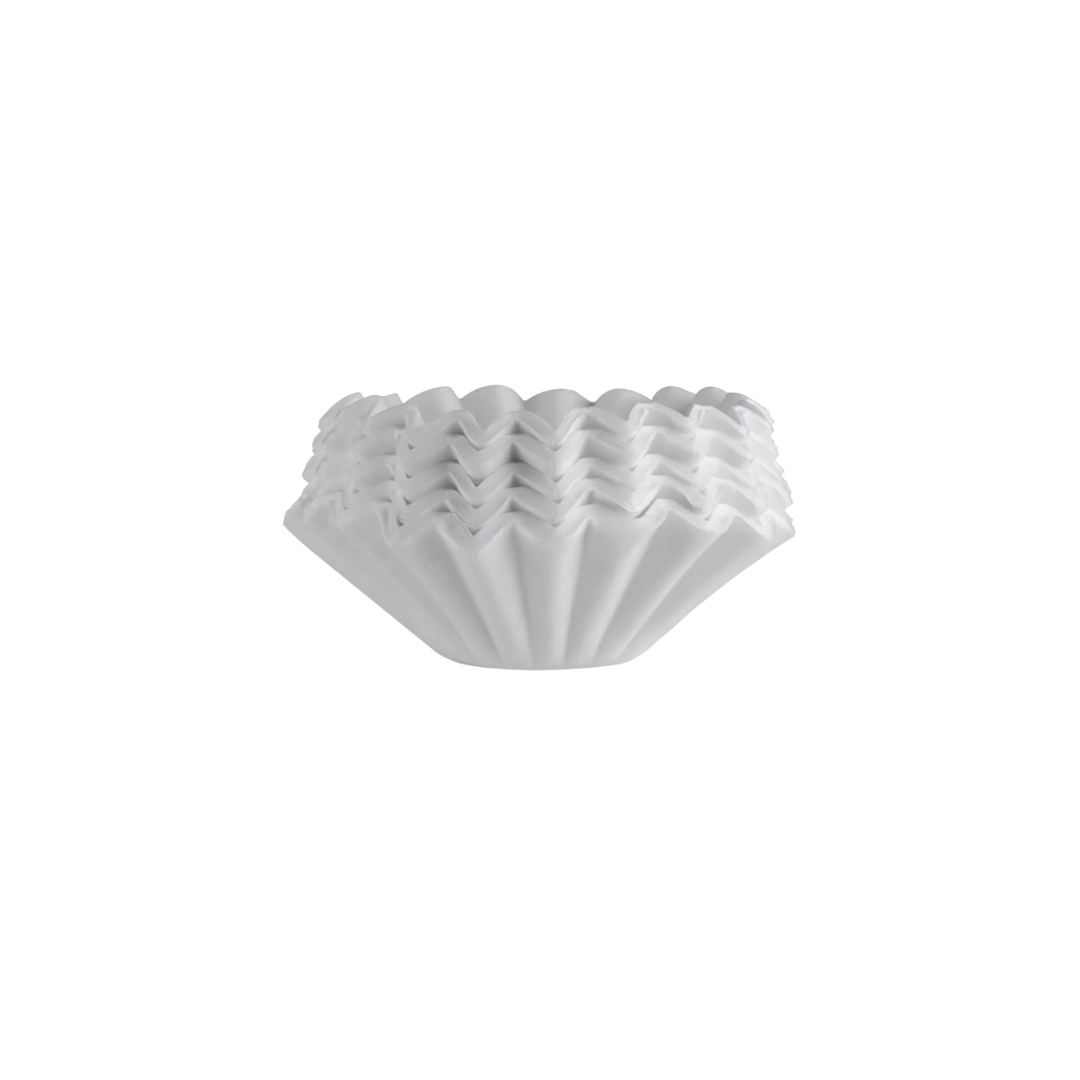
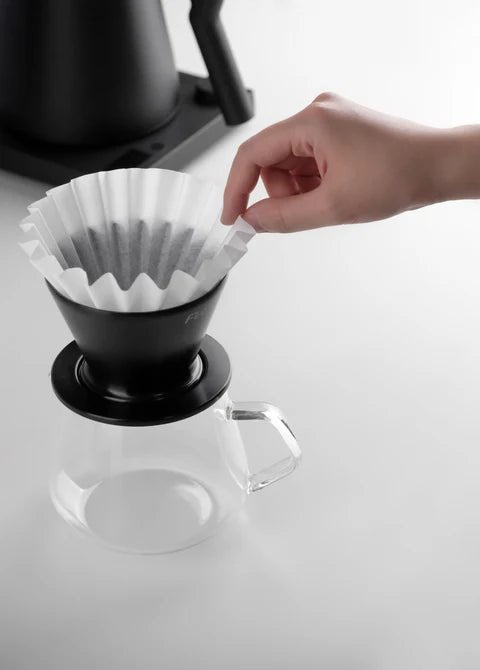
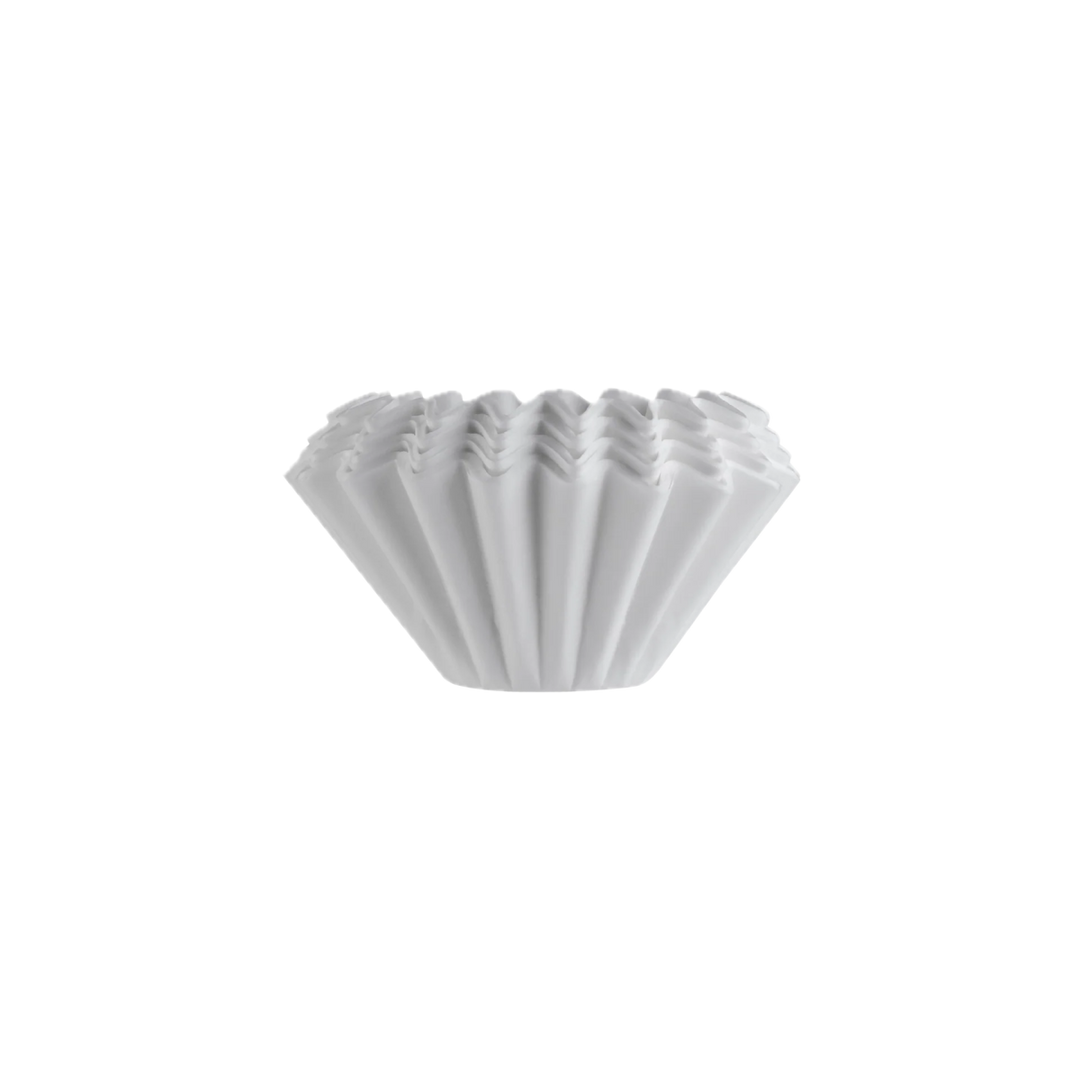
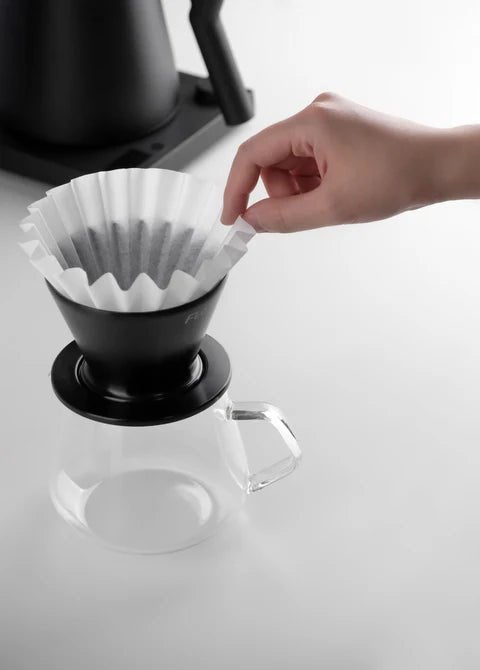
If you're making drip coffee, pour over, or other filter coffee methods, the filter you choose directly shapes flavor. Sibarist WAVE and Cone Filters from BeanBros offer different shapes and flow characteristics to match various brewers.
Milk Preparation Tools
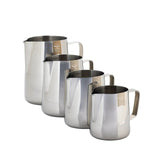
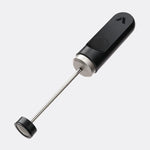
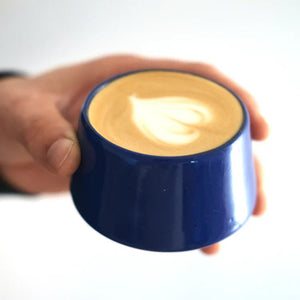
For anyone making lattes, cappuccinos, cortados, or other espresso-based coffee drinks, milk preparation tools are essential. A quality stainless steel milk pitcher with a precise spout lets you pour latte art and control milk texture. Thermometers help you avoid overheating, which degrades milk proteins and causes unpleasant flavor.
The Motta Stainless Steel Milk Jug (available in 250ml and 600ml) is a reliable option - thin-gauge steel responds well to temperature, and the spout shape is designed for controlled pouring. Whether you're adding milk, cream, whipped cream, flavored syrup, or sugar, proper tools make a noticeable difference in helping you balance the finished drink. Some milk-based coffee drinks can feel more like dessert depending on how much syrup, whipped cream, or sugar is added.
What to Look For in Coffee Brewing Accessories
Build Quality and Materials
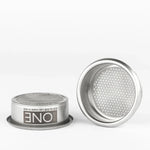
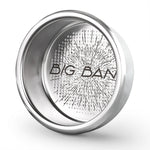
Materials affect both durability and taste neutrality. Stainless steel is the standard for kettles, milk pitchers, and filter baskets - it's durable and won't impart off-flavors. Ceramic and borosilicate glass handle heat well. Cheaper plastics can leach flavor, especially when in contact with water for hot coffee. The same goes whether you're buying for a manual setup or a coffee maker.
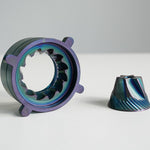
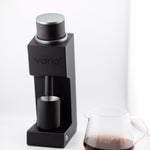
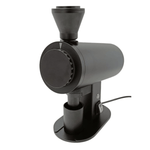
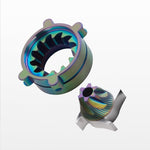
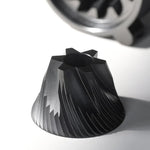
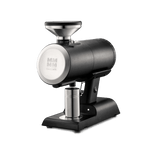
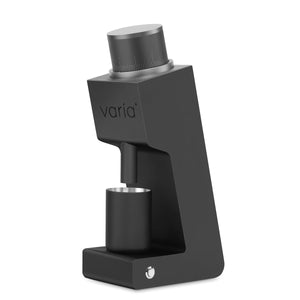
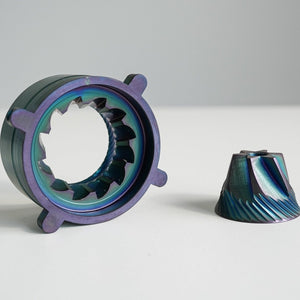
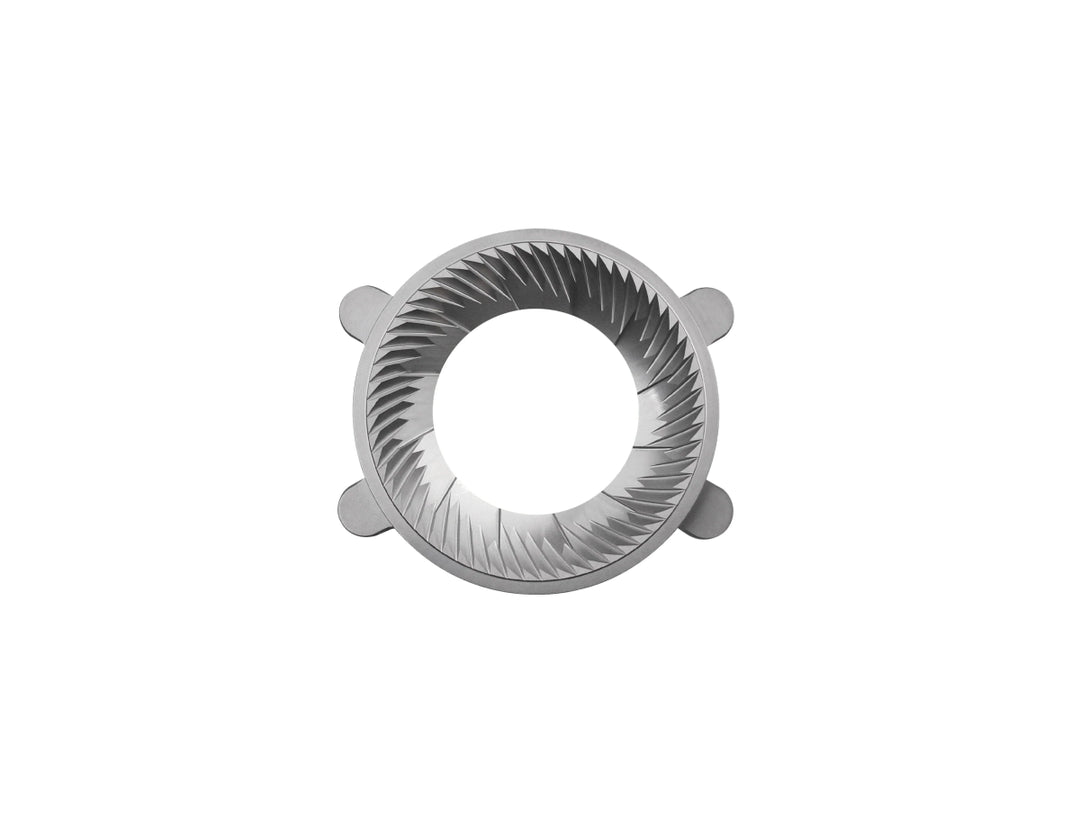
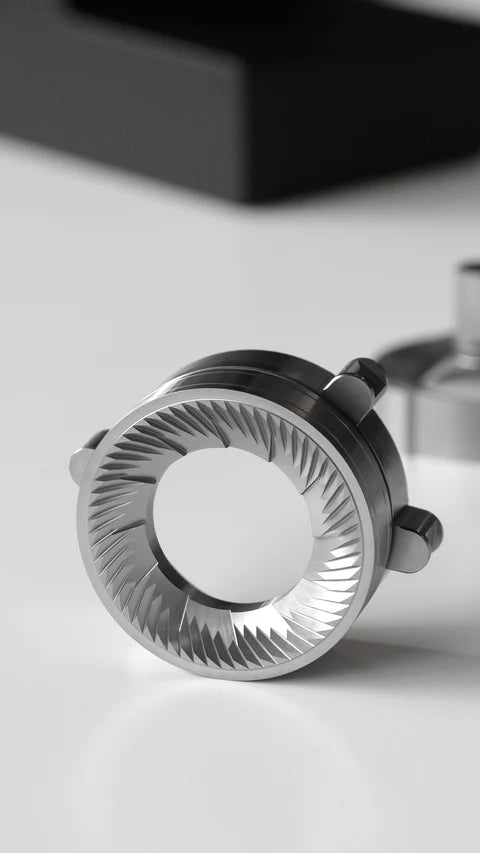
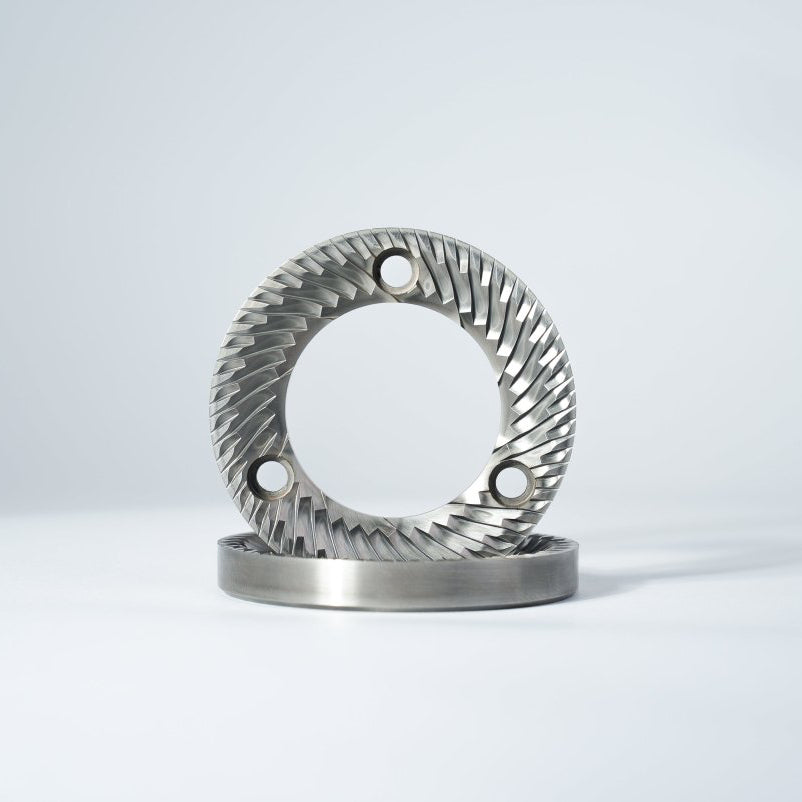
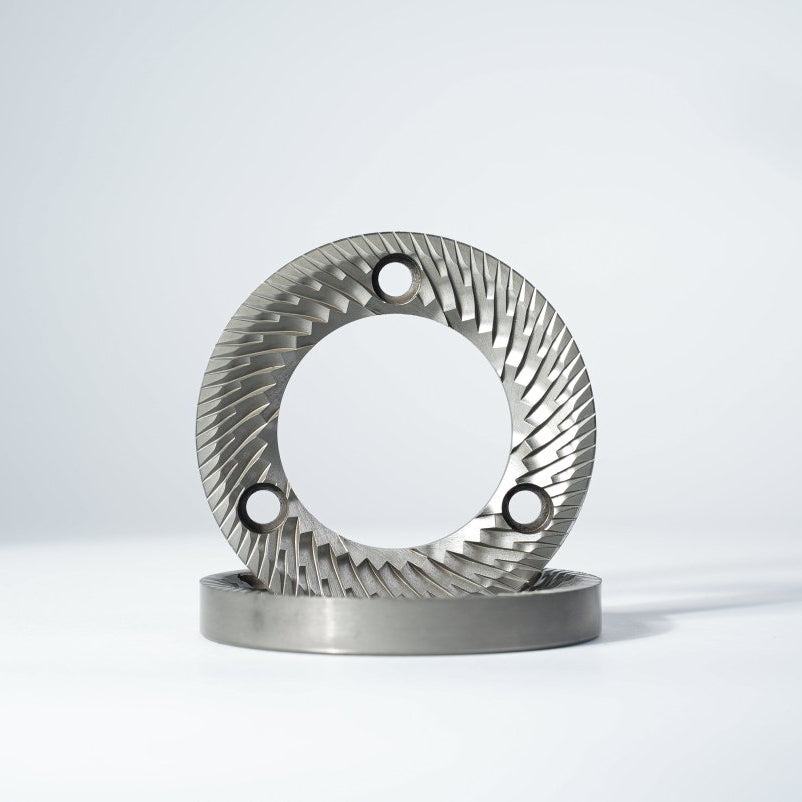
For grinder burrs, material matters too. Standard steel burrs work well, but coated options like the Varia VS3 Titanium Coated Hypernova burr set from BeanBros offer improved longevity and grind consistency. Burr size also plays a role - 58mm flat burrs are common in espresso grinders, enabling finer grind at lower RPM with less heat transfer to the beans.
Precision and Consistency
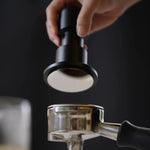
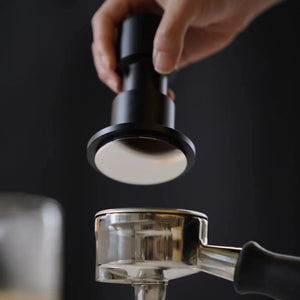
For espresso coffee, a scale accurate to 0.1g is worth having, since pressure-based brewing helps force water through tightly packed coffee grounds. For larger brew volumes with drip brewed coffee or cold brew, 0.5–1g accuracy is fine. Kettles with PID temperature control hold water at a set temperature rather than leaving you to guess. Grinders with reliable, stepless adjustment let you fine-tune grind size without jumping between settings. WDT tools improve even density in coffee grounds for espresso, reducing channeling during extraction. That same precision helps when you want to brew iced coffee as well as hot styles, because repeatable recipes scale more reliably.
Ease of Use and Cleaning
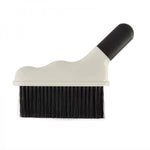
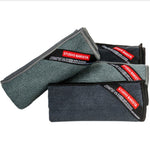
Accessories you use coffee daily need to be easy to clean. Grinders with accessible burr chambers are simpler to maintain - a Grinder Cleaning Brush like the SB132 from BeanBros helps clear retained grounds and keep things fresh. Reusable metal filters need regular washing, while paper filters are single-use but produce waste. Milk pitchers should be smooth-welded for easy rinsing.
How to Choose the Right Coffee Brewing Accessories
-
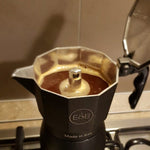
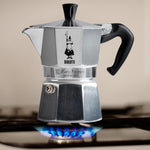
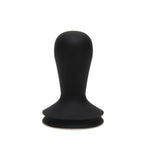
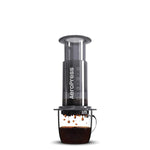
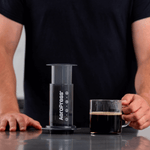
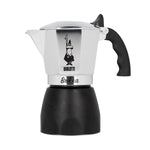
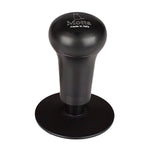
Your brewing method - The brewing method affects the necessary accessories for coffee preparation. Pour over coffee dates back over a hundred years and calls for a gooseneck kettle, scale, and quality filters. Espresso machines use 9 bars of pressure for brewing and benefit from tampers, WDT tools, and precision scales, with results that differ from other forms of brewing. The french press can brew up to 12 cups at once and needs a coarse grind like sea salt - so a good burr grinder is key. The Moka pot design dates back to 1933 and produces coffee similar to espresso in strength, requiring a medium-fine grind. The Aeropress was launched in 2005 and is compact, making it great for travel with minimal accessories, and it can also be used for iced coffee. Even automatic drip coffee makers benefit from freshly ground beans and proper ratios.
-
Experience level - If you're just starting to improve your coffee consumption habits beyond instant coffee, begin with a burr grinder and a scale, whether you prefer caffeinated coffee or decaffeinated coffee. These two accessories produce the biggest improvement. More experienced brewers can explore upgrades like replacement burr sets, temperature-controlled kettles, and specialized filters for different roast profiles - lighter roasts and darker roasts often respond differently to the same brewing setup.
-
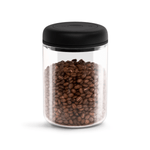
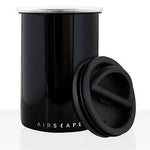
Budget and priorities - Most experts agree the order of impact is grinder first, then scale, then kettle. Espresso machines are typically more expensive than other brewers, so if budget is tight, manual brewing methods like pour over or french press help you make a strong cup without a massive investment. The same accessories can also support tea preparation where precise pouring and temperature matter. Vacuum-sealed canisters prevent oxidation of coffee aromatics and are an inexpensive way to keep your beans fresh - keeping coffee beans away from oxygen preserves flavor significantly. An airtight container is a small purchase with real impact.
Frequently Asked Questions
What accessories do I need to get started with better coffee at home?
Start with a burr grinder and a digital scale. These two tools address the biggest sources of inconsistency in making coffee - uneven grind and imprecise ratios. Add a gooseneck kettle if you're doing pour over, or a quality milk pitcher if you're pulling espresso and making milk-based coffee drinks. Pour over coffee allows for easy flavor experimentation once you have the basics in place.
Do expensive coffee accessories really make a difference?
Some upgrades make a huge difference, others less so. Moving from a blade grinder to a burr grinder is transformative. Going from a standard burr to a premium titanium-coated burr set offers subtler gains. The key is diminishing returns - focus your budget on the accessories that control the most important variables first. A good grinder will improve every cup more than any other single purchase. AeroPress brewing results in a clean, full-flavored experience and costs very little compared to an espresso machine.
How do I know which grinder is right for my coffee brewing method?
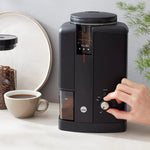
Match the grinder's range to what you brew. Espresso requires a very fine grind of coffee and benefits from larger burrs (58mm+) that produce uniform particles. Espresso is more concentrated than other brewing methods, so grind consistency matters more. Pour over needs a medium to medium-fine grind - use a medium-coarse grind for larger pour over brewers. French press coffee requires a coarse grind like sea salt. If you brew multiple ways, look for a grinder with a wide adjustment range.
What's the difference between different filter types?
Paper filters produce a clean, bright cup by trapping oils and fine coffee grounds. Metal filters allow those oils through, giving a fuller body and stronger flavor - similar to what you'd get from a french press or moka pot. Cloth filters land in between. Paper also removes compounds like cafestol that metal and cloth filters let pass. Choose based on whether you prefer clarity or richness in your beverage.
How should I store my coffee beans?
Keep beans in a vacuum-sealed or airtight container, away from light, heat, and moisture. Oxygen is the main enemy - it degrades aromatics and makes your coffee taste flat. Don't store beans in the fridge or freezer unless you're buying in bulk and vacuum-sealing portions. Grind only what you need right before brewing for the best flavor.
Browse Our Coffee Brewing Accessories
The difference between a forgettable cup and one you genuinely look forward to drinking coffee from often comes down to a few well-chosen tools. Explore our collection of brewing gear, grinder accessories, and espresso accessories to find what fits your brewing style.