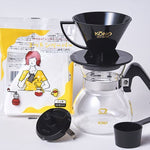
Selecting the Correct Paper Filter Size
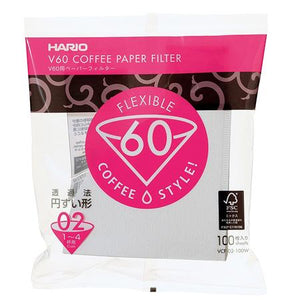
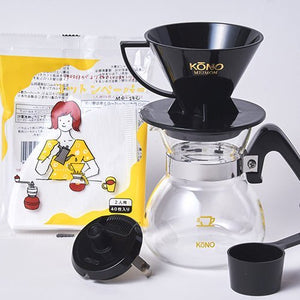
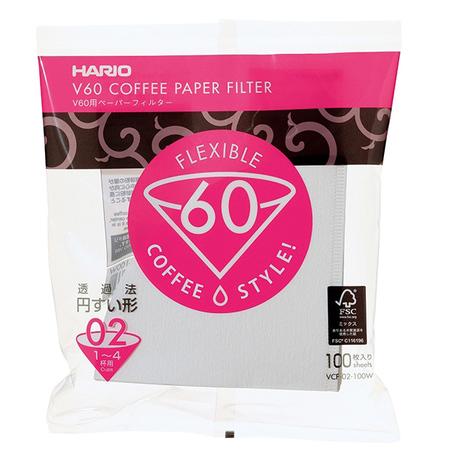
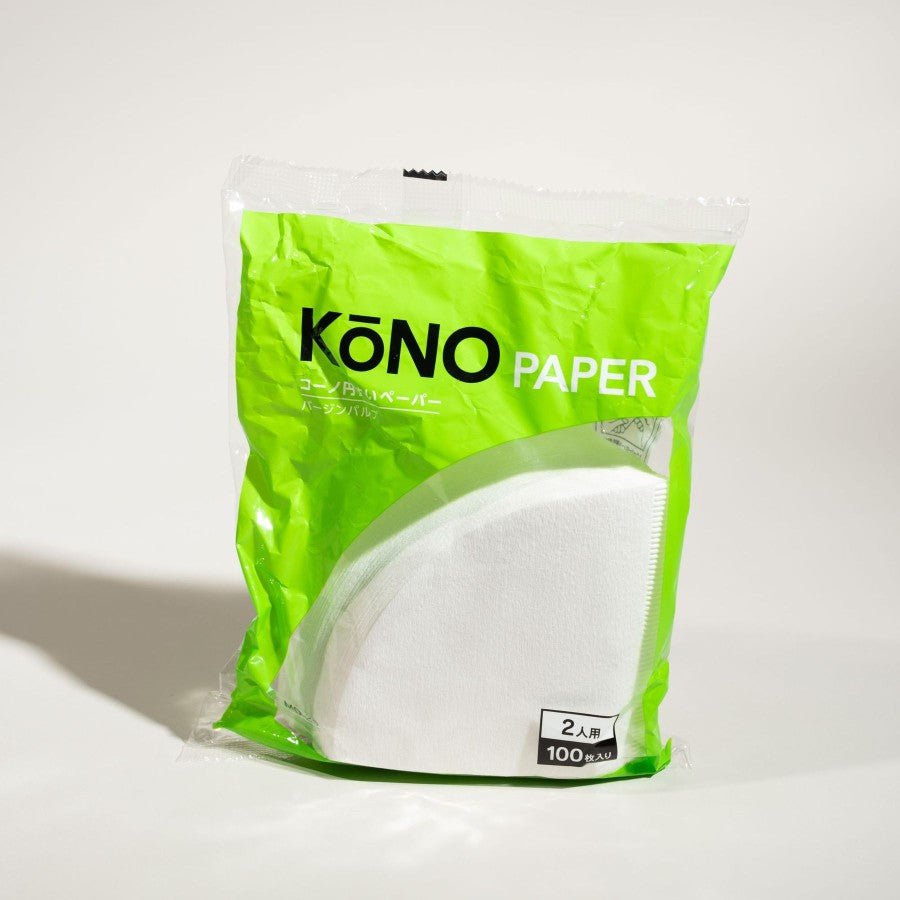
Your paper filter needs to match your brewer’s size. Too small, and coffee spills over the edge; too large, and folds disrupt the flow. Using the proper fit ensures even extraction, stable brew rate, and balanced flavour every time. Most manufacturers print size guidelines on the pack, so check before buying.
How Filter Paper Influences Brew Rate
A filter’s cut, texture, and thickness affect how quickly water passes through the grounds. A slower brew rate draws out sweetness and body, while a faster rate highlights bright acidity. Adjusting grind size, water temperature, and pouring style can help fine-tune your result for different coffees.
Materials that Make a Difference
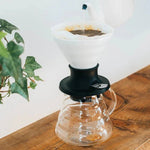
Most filter paper is made from high-quality fibres, with oxygen-bleached or natural material options. Oxygen-bleached filters are neutral in taste, while natural papers offer an eco-friendly feel. Certain designs pair perfectly with glass drippers, keeping structure stable during brewing.
Fine vs. Thick Paper Filters
Fine, thinner filters allow more oils and body into the cup. Thicker filters produce clarity and a lighter body by holding back more oils. Having different thickness options lets you tailor your brew to the coffee’s roast and origin. Light roasts often shine with thicker filters, while medium roasts can benefit from a thinner paper for more texture.
A Brief History of Coffee Filter Paper
The concept of filter paper for coffee dates back to the early 20th century, credited to Melitta Bentz in Germany. She experimented with blotting paper to remove coffee grounds from her cup, unknowingly creating the foundation for modern paper filters. Today, the idea has evolved into highly engineered designs optimised for flow, brew rate, and flavour clarity.
Pack Size and Brewing Habits
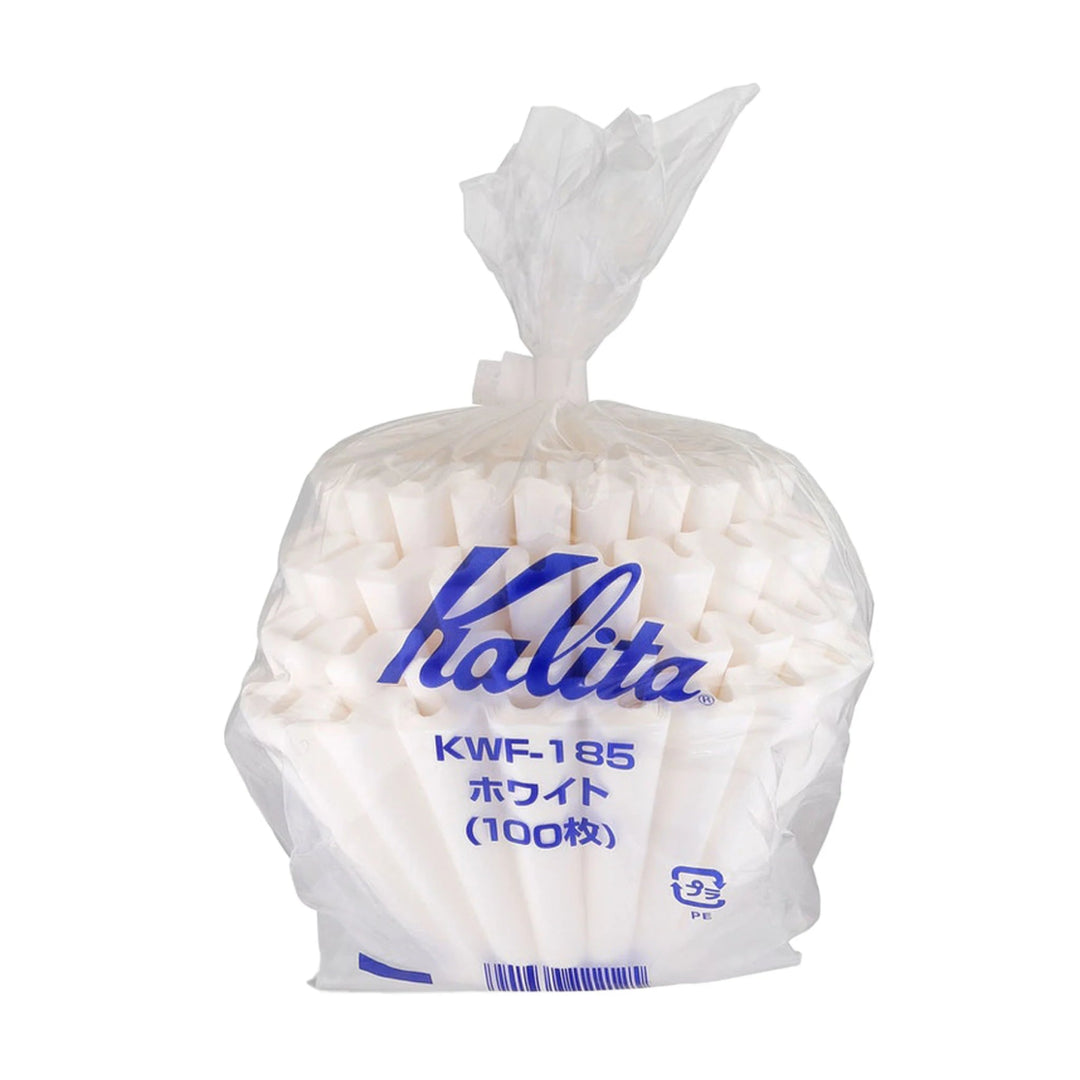
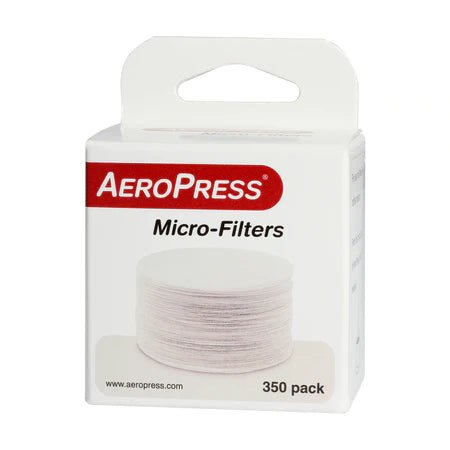
Filters are sold in a pack of 40, 50, or 100. Daily brewers might prefer the larger quantity for convenience, while occasional coffee drinkers may choose smaller packs to try various styles without waste. Buying in bulk can also help reduce the price per piece.
Comparing Different Filter Paper Designs
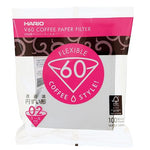
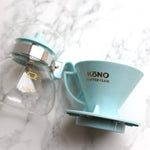
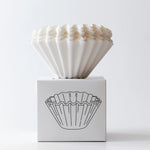
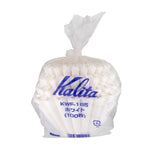
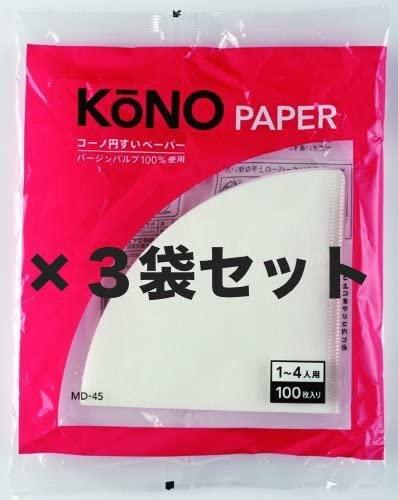
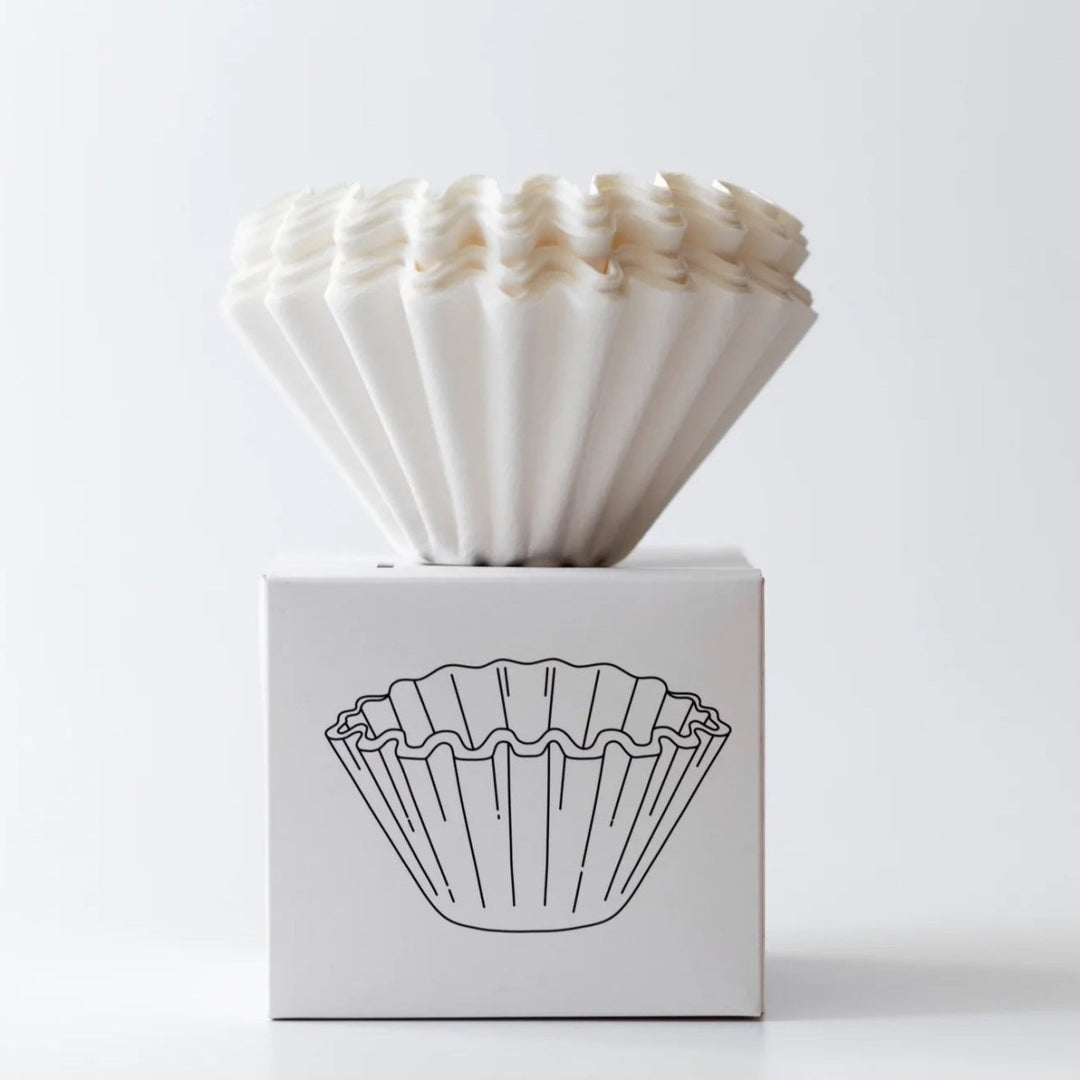
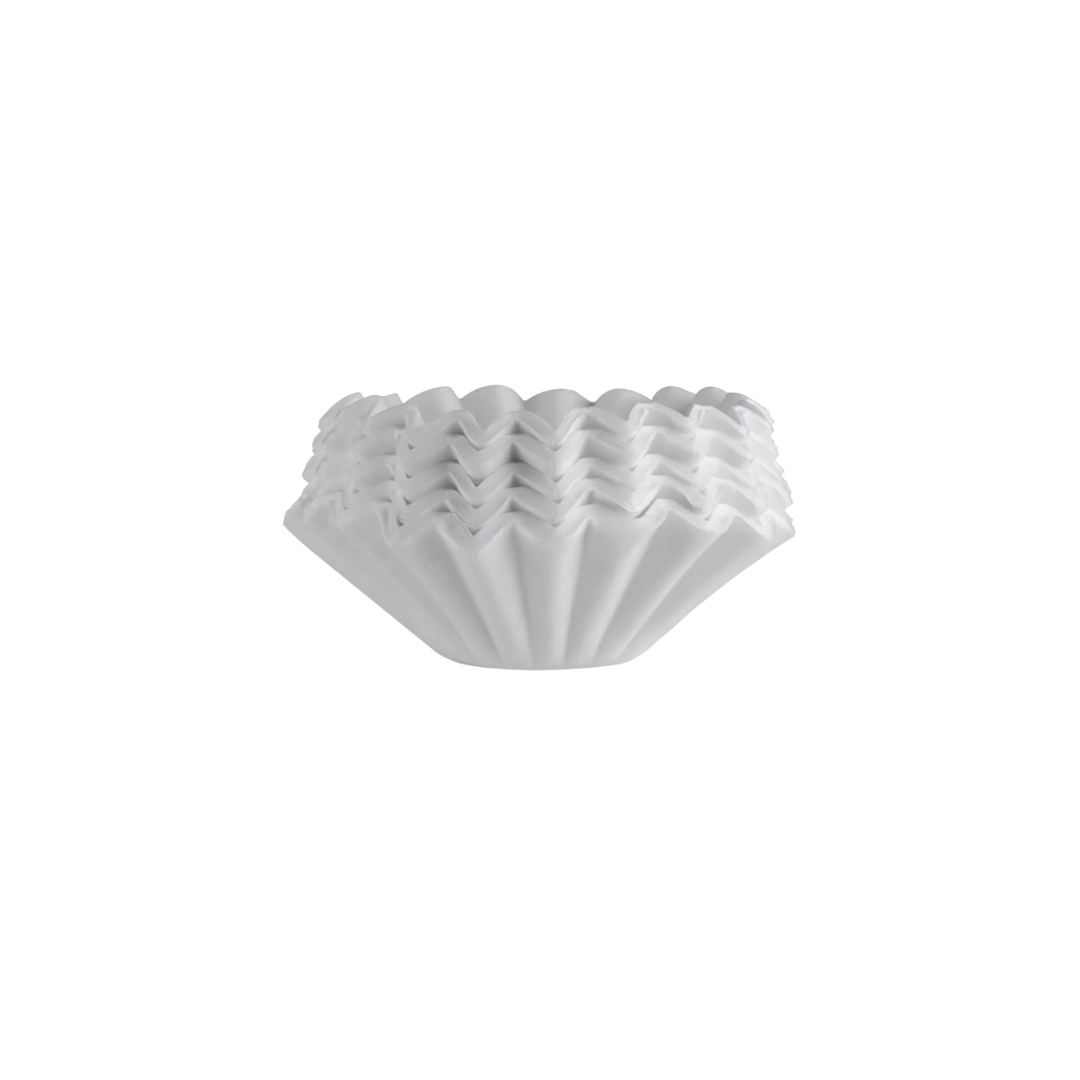
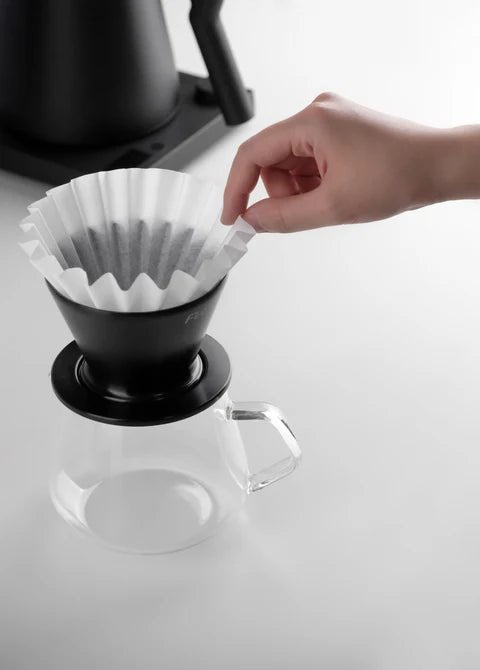
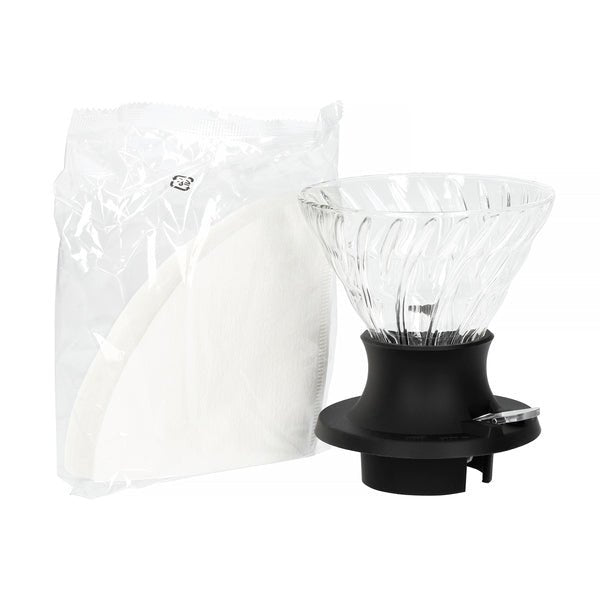
From cone-shaped for V60 to flat-bottom for Kalita, and wave-style for consistent flow, each design impacts your brew differently. Matching the right design to your method ensures flavour and extraction align perfectly.
Ensuring compatibility between your filter paper and brewing device is essential for optimal results.
The Price of Quality Filter Paper
Quality has its cost. While cheaper filters might seem tempting, premium filters are more consistent in cut and thickness, reducing the risk of tearing mid-brew. A small difference in price can lead to a significant improvement in your daily cup.
Investing in higher-quality filters often provides better value over time due to improved consistency and performance.
Our Bean Bros Filter Paper Collection
Our curated collection and selection offers filters for every style and taste:
Once you’ve found your match, simply click add to cart and start brewing with confidence.
Matching Filter Paper to Brewing Method
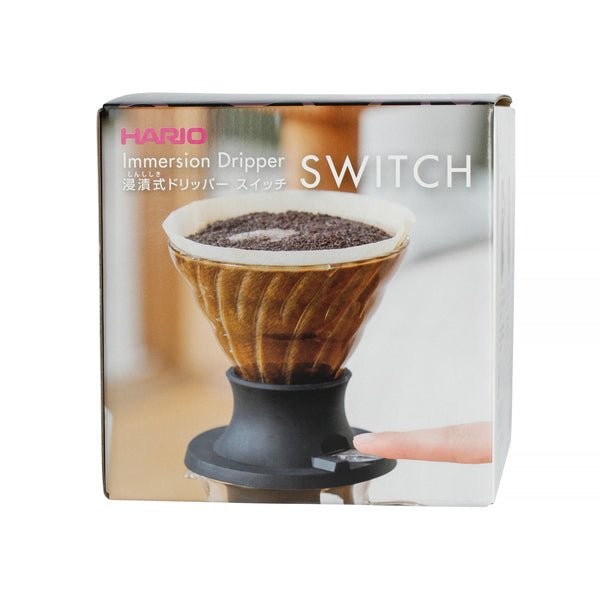
Each brewing method benefits from a particular filter style. V60 cones excel with precise pouring, Kalita flat filters deliver consistent extractions, and immersion filters offer flexibility for steep-and-release brewing.
Storage Tips for Longevity
Keep filters in a dry, odour-free space to preserve their material integrity. Humidity can alter weight and thickness, affecting your brew rate. Airtight containers work well for keeping them fresh.
Why Pre-Rinsing Improves Flavour
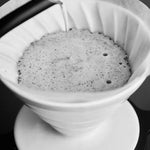
Rinsing with hot water removes any paper taste and preheats your brewer. This is especially helpful when using glass or ceramic brewers to maintain heat stability.
Fine-Tuning Brew Rate with Pour Technique
Your pouring style works hand-in-hand with filter properties. For thick filters, a slightly faster pour balances extraction time; with thin filters, slower pouring can prevent under-extraction.
Buying in Quantity for Convenience
Keeping at least two unopened packs at home ensures you’re never caught without. Frequent brewers benefit from ordering in bulk, often with free shipping incentives.
Some suppliers also offer a subscription service for regular filter paper deliveries, so you always have a fresh supply on hand.
Specialty Paper Filters for Advanced Brewing
Some filters are designed with micro-perforations or unique cut patterns for competition-level brewing. These product innovations give baristas greater control over flow and flavour clarity.
Ongoing innovation in filter paper design continues to push the boundaries of coffee brewing performance.
How Cut and Shape Affect Extraction
The cut of a filter—whether bonded seams or wave-style pleats—affects stability and water movement. A well-designed cut promotes consistent extractions and prevents bypass.
Sustainable Choices in Filter Paper
Many natural fibre filters are compostable when used with coffee grounds. This eco-friendly approach reduces waste, especially when paired with recyclable packaging.
Handling Filter Paper Properly
Always handle filters with dry, clean hands to prevent oils or moisture from affecting the material. Folding the seams neatly before placing the filter in your brewer can help it seat properly and improve water distribution.
Proper handling also helps prevent contamination of your brew.
Filter Paper Beyond Coffee: Laboratory Applications
While filter papers are a staple in the world of coffee, their versatility extends far beyond your morning brew. In laboratory environments, filter papers are indispensable for a wide range of scientific tasks, from precise chemical filtration to the separation and purification of substances. The material and construction of these papers are carefully engineered to meet the high standards required in scientific settings, ensuring reliable results every time.
Laboratory-grade filter papers are made from high-purity materials, such as refined cotton linters, and are meticulously processed to remove impurities. This attention to quality means each filter paper offers consistent flow rates, precise particle retention, and dependable performance under demanding conditions. The thickness and weight of the paper are carefully calibrated, as these factors directly influence filtration time and accuracy—crucial for experiments where every second and micron count.
There are several types of filter papers used in labs, each designed for different applications. Qualitative filter papers are ideal for general filtration tasks, while quantitative filter papers are crafted for analytical work where exact measurements matter. The pore size and cut of the filter paper determine which particles are trapped and which pass through, allowing scientists to tailor their filtration process to the specific needs of each experiment.
Filter papers come in a variety of formats—circular, square, or rectangular—and can be cut to size to fit any laboratory apparatus. Whether you need a small disc for a test tube or a larger sheet for a Buchner funnel, there are options to suit every requirement. Packs are available in quantities such as 100, making it easy to stock up for ongoing research at a competitive price per product.
Beyond basic filtration, filter papers are also used in advanced laboratory techniques like chromatography, spectroscopy, and sample preparation for microscopy. Their high-quality material and consistent thickness help reduce contamination and improve the accuracy of scientific analysis.
Choosing the right filter paper for your laboratory means considering factors like pore size, thickness, weight, and the specific type of filtration required. With so many products and options available, it’s easy to find the perfect fit for your scientific needs. Whether you’re filtering chemicals, separating particles, or preparing samples, laboratory filter papers are a reliable, high-performance solution—ready to be added to your cart in the size and quantity that best suits your workflow.
FAQ: Filter Paper
What is filter paper used for in coffee brewing?
It holds the grounds while allowing water through, producing a clean cup without sediment.
Are paper filters better than metal filters?
Paper filters offer a cleaner, lighter cup, while metal filters allow more oils and a fuller body.
Should I rinse my filter before brewing?
Yes, rinsing removes paper taste and preheats your brewer.
How do I choose the right size?
Match the size to your brewing device to ensure proper fit and flow.
Can I reuse a paper filter?
They’re typically used once for best results, though some choose to reuse for sustainability.
How does thickness affect flavour?
Thicker filters slow brew rate and increase clarity; thinner filters create a fuller body.
Can filter paper change caffeine content?
No, it mainly affects oils and texture, not caffeine levels.
Are paper filters compostable?
Most natural material filters can be composted with coffee grounds.
Why is my filter collapsing?
It could be the wrong size or not pre-rinsed, causing poor stability.
What’s the difference between bleached and unbleached filters?
Bleached filters are neutral in taste; unbleached may need extra rinsing.
Do paper filters work for tea?
Yes, some people use paper filters for loose-leaf tea to achieve a smooth, sediment-free infusion.
Why does my coffee taste papery?
It’s likely due to not rinsing your filter before brewing. A quick hot-water rinse removes this taste.