
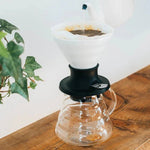

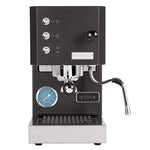
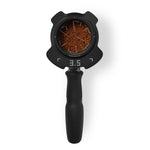
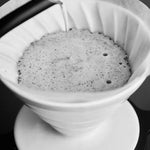


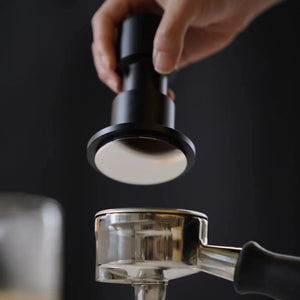
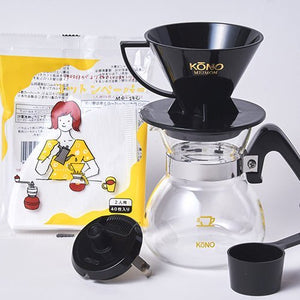
A coffee filter basket holds ground coffee during brewing, letting hot water pass through the grounds to extract flavor, and different basket types are built for different brew methods and cup profiles. Whether you're a barista, a home coffee enthusiast, or simply choosing an upgrade for an espresso machine or drip brewer, the right coffee filter basket affects extraction, consistency, and taste; below, you'll find the main types, key features such as geometry, hole pattern, size, and capacity, plus how to choose for machine compatibility, brewing goals, and easy maintenance.
Types of Coffee Filter Baskets
Coffee filter baskets are categorized by their design, filtration method, and intended brewing application. Here's how the range breaks down.
IMS Precision Filter Baskets
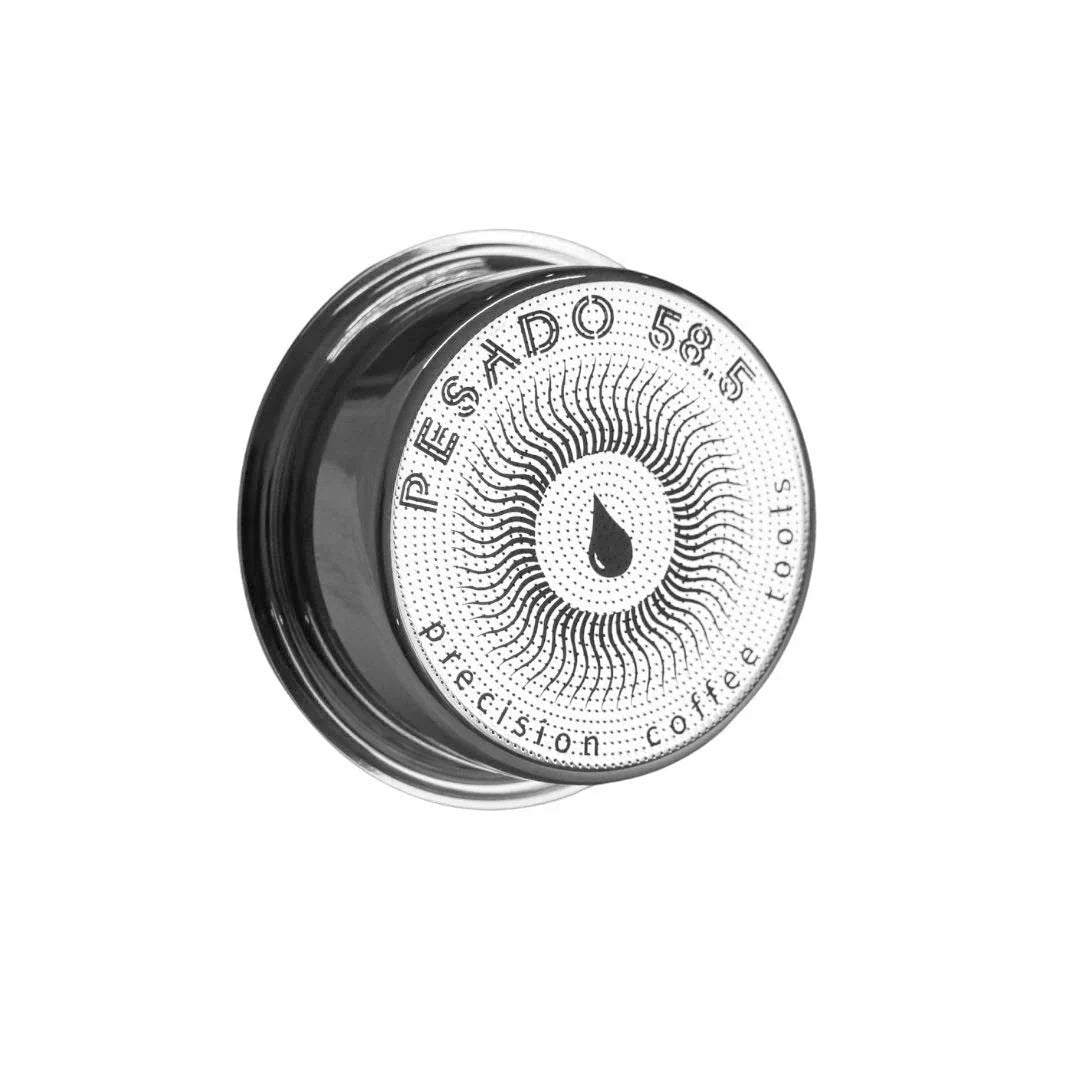
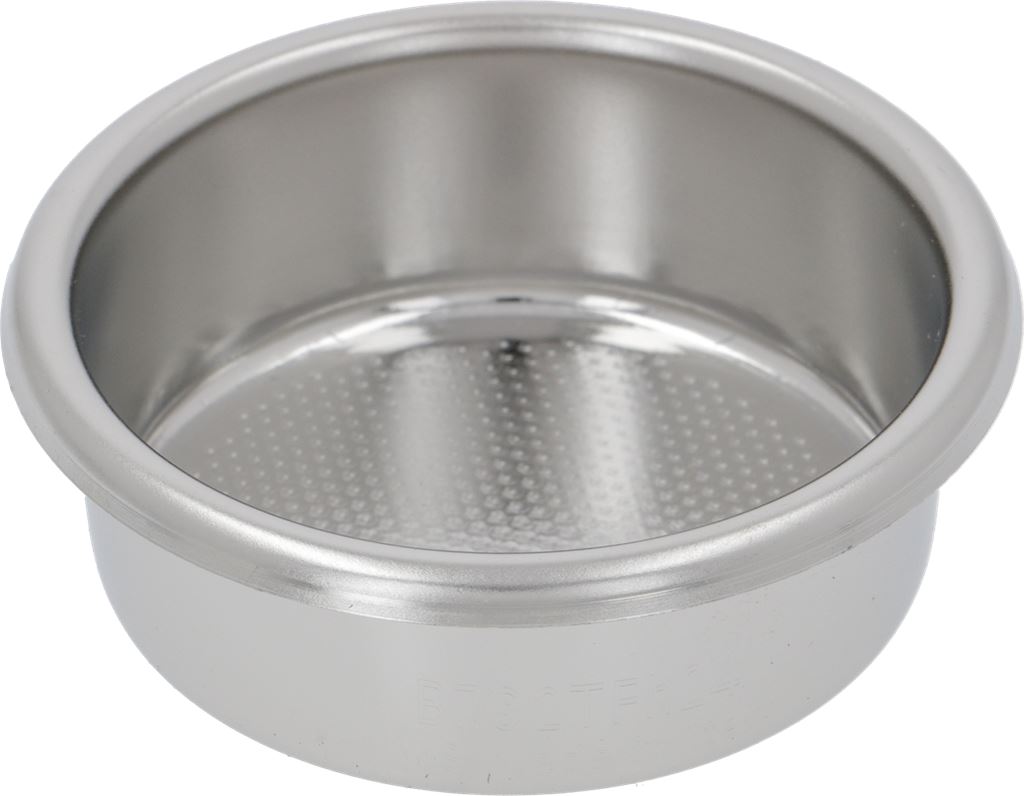
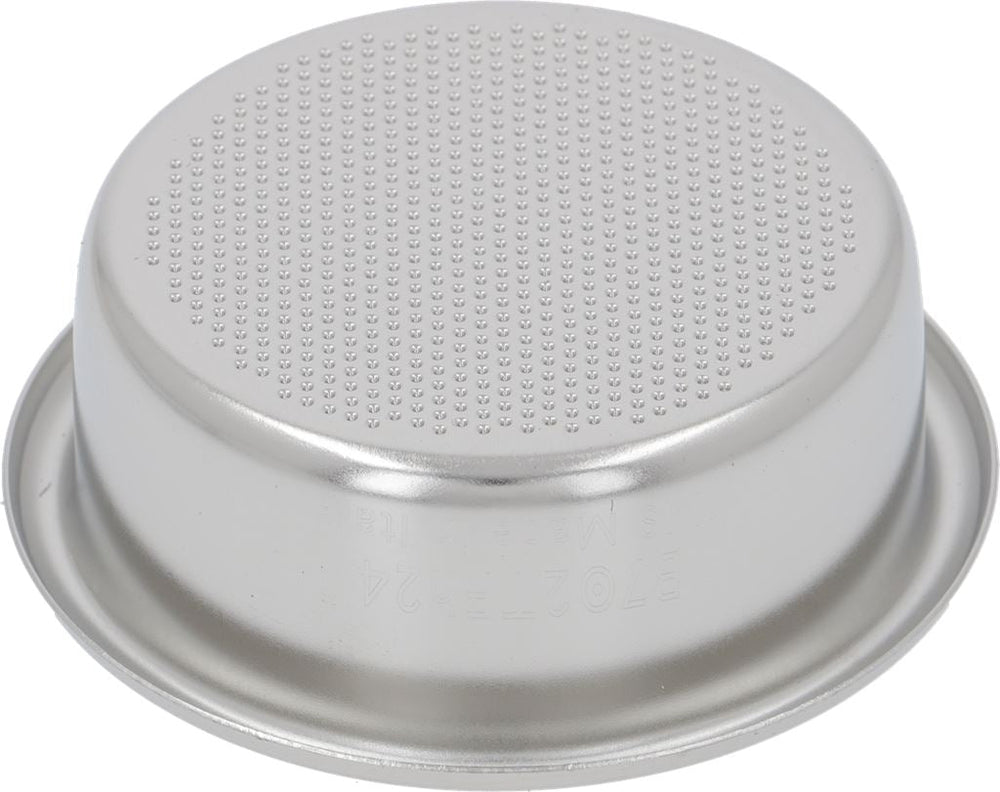
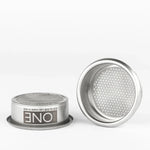
Developed in 2011 for competition-grade espresso, IMS Competition baskets feature calibrated hole diameters (typically Ø 0.30 mm), electropolished stainless steel construction, and optimized shapes like truncated cones with rounded internal corners. For example, the B702TH26.5M offers 641 holes in an M pattern, holding 18–20 g for dark roasts and 22–24 g for light roasts. These are designed for baristas and home enthusiasts who want maximum extraction uniformity and flavor clarity.
Herbpress Filter Baskets
Herbpress is a patented system created by Wilden Herbals in collaboration with IMS, built specifically for botanical and herbal infusions under espresso-machine pressure. Each basket has a single outlet hole, a photo-etched 150 µm membrane, and a puck diffuser that regulates flow and pressure - extracting herbs cleanly in under 60 seconds at 8–9 bars. Available in sizes matched to common group heads (58 mm and 54 mm).
E&B Lab Filter Baskets
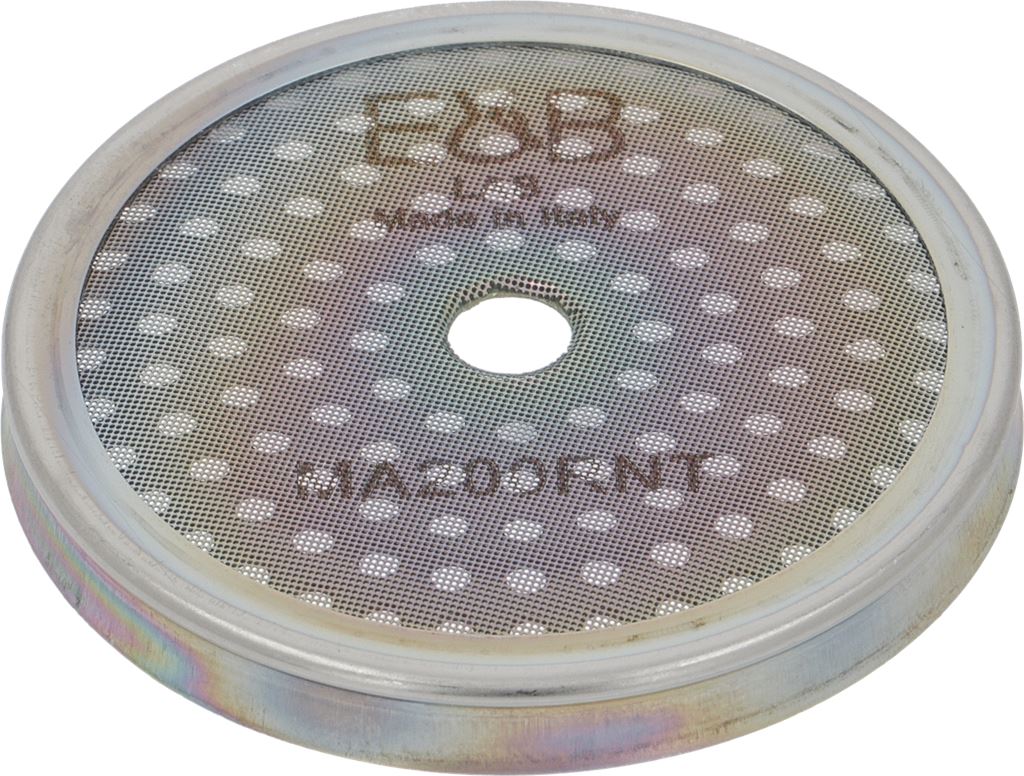
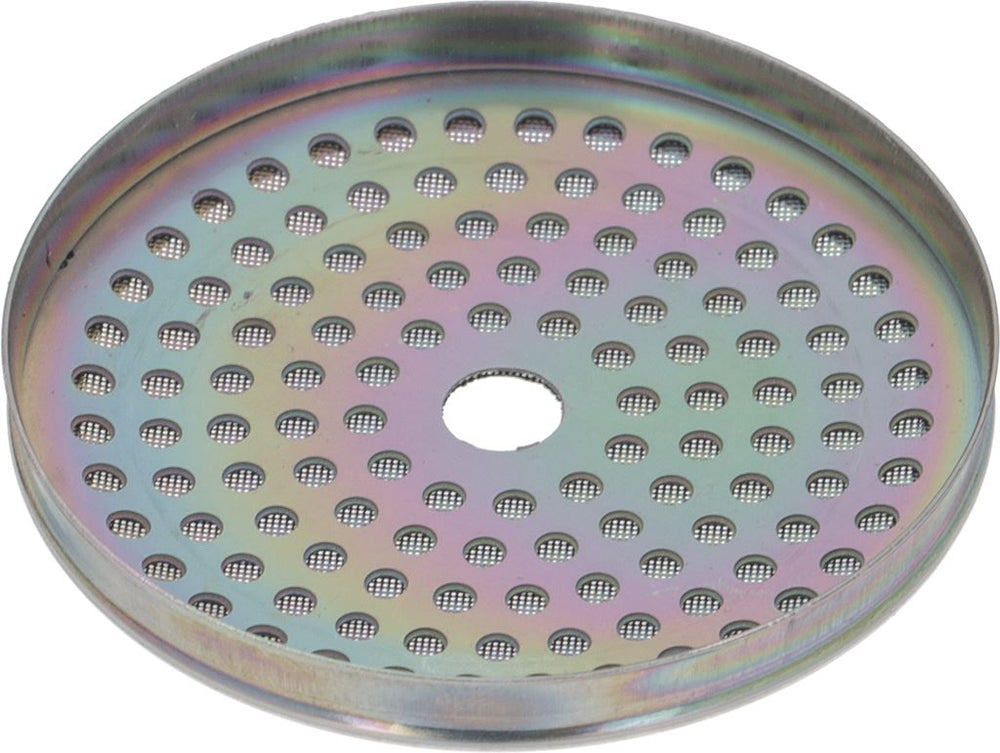
The E&B Lab line (Espresso & Brewing, under IMS) pushes versatility further. The All-In-One baskets combine structural holes (e.g., 253 holes of ~2.4 mm) with a 150 µm membrane, letting you brew classic espresso, café crème, filter-style coffee, or even tea and cascara infusions - all from one basket. E&B also offers Superfine baskets (~170 µm mesh) for high-clarity extraction and Nanoquartz-coated options for easier cleaning.
Standard Replacement and Reusable Coffee Filter Baskets
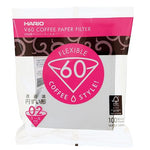
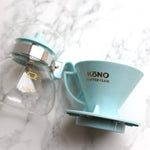
Stock and aftermarket replacement baskets cover everything from espresso machines to automatic drip brewers, including drip-brewer parts matched to the right coffee maker. Flat-bottom basket filters are common in automatic drip coffee makers, while cone-shaped basket filters force water to flow toward a single exit point. Products like the Bunn 56475.0008 stainless steel funnel assembly fit Bunn coffee makers. The Bunn 53522.1000 is a black plastic brew funnel. The Hamilton Beach permanent gold tone mesh filter enhances coffee flavor and aroma in compatible drip brewers. Reusable filters reduce the need for paper filters significantly - in fact, reusable filters save over 11,000 trees daily by cutting down on paper waste.
What to Look For in Coffee Filter Baskets
Basket type influences extraction and flavor profile in coffee brewing. Here are the key attributes that determine quality and fit.
Basket Geometry
Water contact and flow design impact flavor extraction in coffee brewing. Flat-bottom baskets provide a uniform bed depth for even extraction and drier pucks - many IMS Competition models use this approach. Rounded internal corners reduce channeling at the base-wall junction, moderating extraction speed. Convex or dome-bottom baskets push flow toward the center first, which can intensify early extraction and affect crema behavior. Pressurized (dual-wall) espresso baskets create artificial pressure with a hidden valve, while non-pressurized (single-wall) espresso baskets use tiny holes to create brewing resistance - each geometry suits a different skill level and taste preference.
Hole Patterns
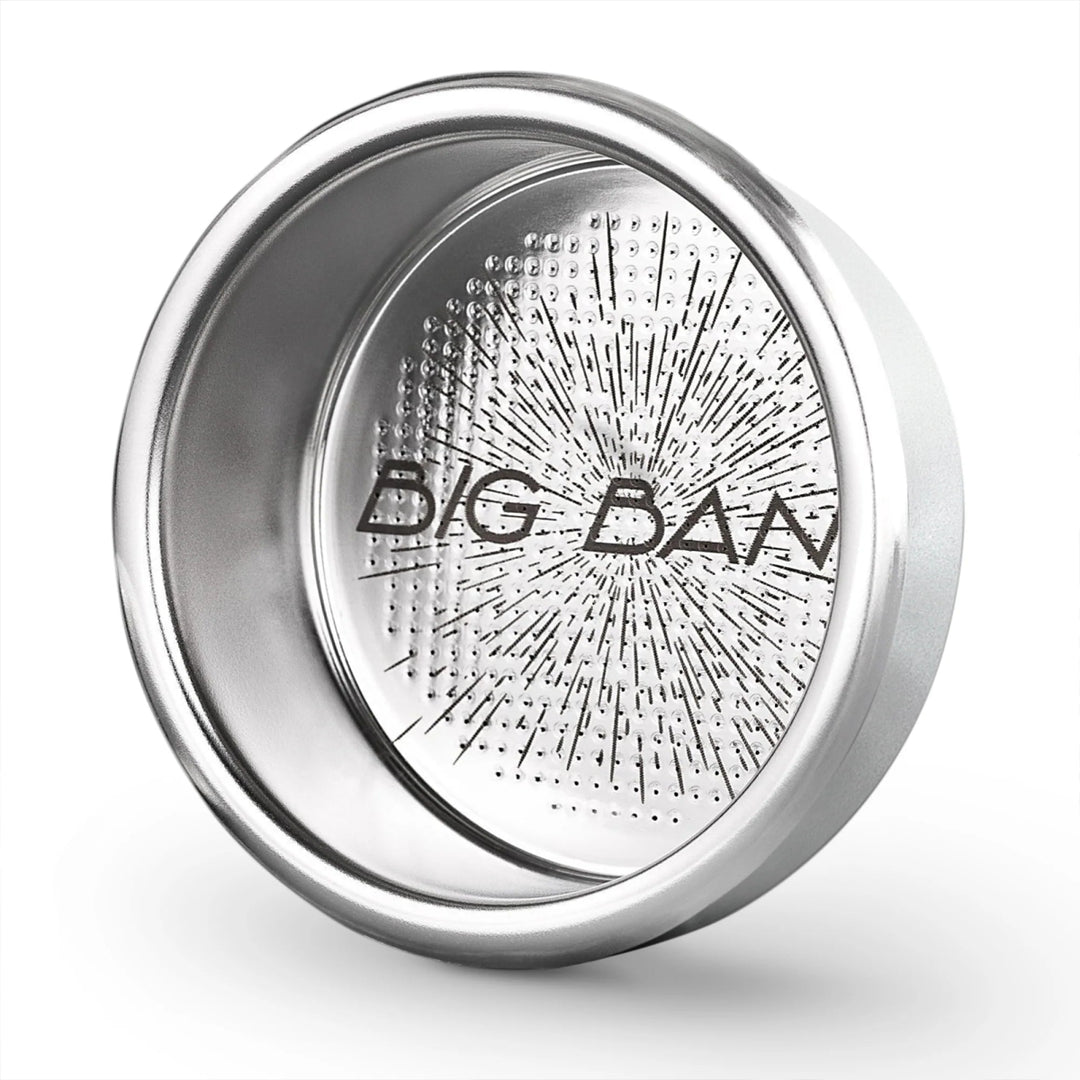
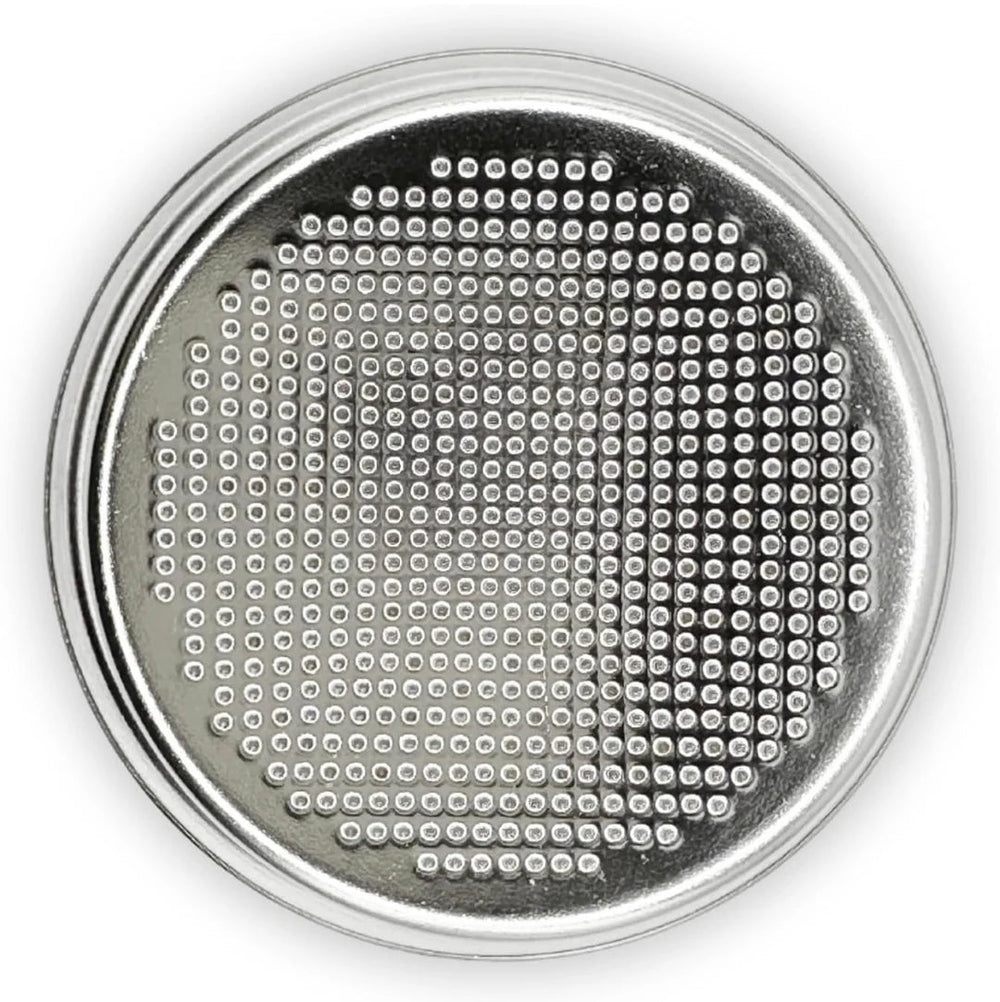
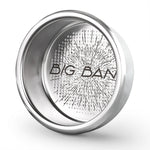
The Big Bang (BB) pattern concentrates holes centrally with wider spacing toward the rim - for example, the B652TFH27BB has 497 holes in a Big Bang layout across a ~Ø 44 mm perforated area, favoring sweetness and reduced side channeling. The M pattern distributes 641 holes evenly for balanced extraction across the puck. The All-In-One hybrid pairs structural holes with a 150 µm membrane, enabling paper-filter-like filtration without an actual paper filter - convenient for customers who want one basket for multiple brew styles.
Stainless Steel Surface Treatments and Coatings
All Competition and E&B baskets undergo electropolishing and wet vibrofinishing (tumbling with ceramic media), plus pickling and passivation to produce smooth, hygienic inner surfaces. Nanotech and Nanoquartz coatings add a hydrophobic layer that reduces coffee grounds buildup and makes daily cleaning a breeze. One caveat: these coatings can degrade if soaked in harsh chemicals, and some users note a difference in drip pattern (rain-like flow vs. a single stream). Stainless steel filters are dishwasher safe and easy to clean, though hand wash is recommended for coated baskets to preserve durability in the long run, and some are designed to be easy to remove from the machine before washing.
Membrane Specifications
Membrane-equipped baskets offer fine filtration for clarity-focused brewing. Herbpress uses a permanently affixed photo-etched membrane at ~150 µm, while the All-In-One line also incorporates a 150 µm membrane. Superfine mesh baskets at ~170 µm are designed for very fine filter grind sizes, delivering cup clarity that rivals paper filters. Cloth filters retain fines and allow oils into the cup for smooth body and clarity, offering another comparison point for those weighing filtration options.
Sizing and Capacity
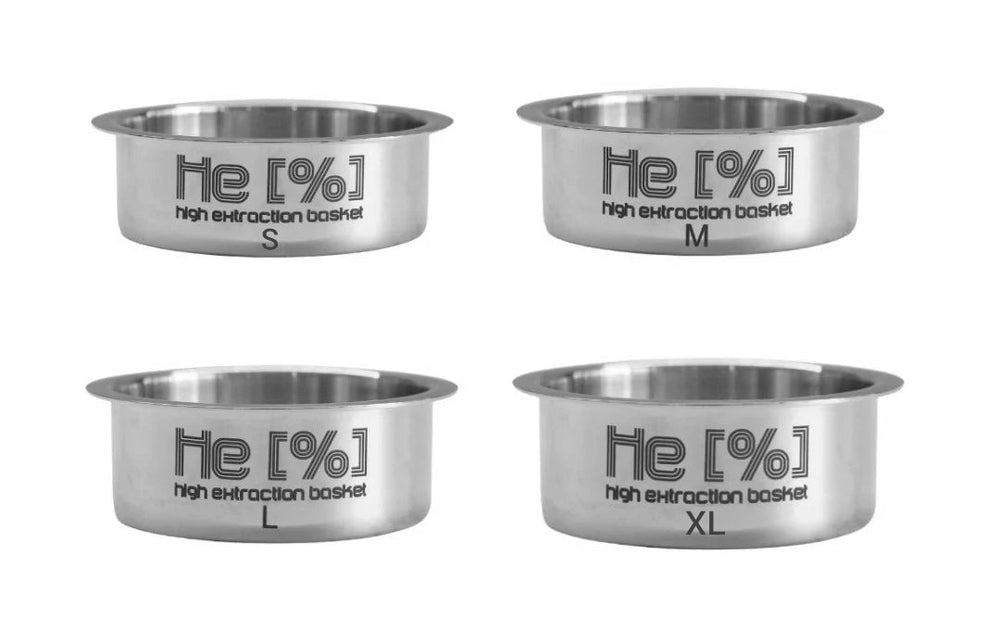
IMS sizing codes make compatibility straightforward: B = border diameter in mm, H = height in mm, T = cup capacity (1T or 2T). So "B70 H26.5 2T" means a 70 mm border, 26.5 mm tall, 2-cup basket. Capacity varies with roast density - in the B702TH26.5M, dark roast fills at ~18–20 g while light roast fits ~22–24 g. The reusable filter fits 8–12 cup coffee makers effectively in drip applications, and products like the Newco LPF filter basket at 7.5 inches wide serve commercial brewers. Always confirm your portafilter diameter and height clearance before you add to cart, and do the same for drip-brewer replacements if the original was lost or damaged.
How to Choose the Right Coffee Filter Basket
-
Machine compatibility - Match your portafilter or brew basket size. A 58 mm group head uses B70-border baskets; smaller machines (like many Breville/Solis models) use 54 mm. Ridge vs. ridgeless baskets affect how securely they seat - ridgeless designs may need a spring clip. For drip brewers, confirm the exact coffee maker model: the Hamilton Beach filter does not fit model 46310, and the Keurig DUO filter fits specific Keurig models only; the same goes for select Black & Decker units. The Bunn B20583 is a commercial filter basket replacement, while the Bunn 20216.0000 funnel has a splashguard to prevent splashing - sort by your machine brand to find the right product.
-
Brewing style and extraction goals - If you value body and sweetness from darker roasts, look at flat-bottom Competition baskets with moderate hole counts or the Big Bang pattern. For light roasts where you want clarity and floral notes, consider membrane-equipped baskets (All-In-One, Superfine) that demand finer grind but reward with richer flavor. If versatility is the goal, the All-In-One line handles espresso through filter-style in a single basket. Reusable filters provide better filtration for richer coffee flavor compared to many stock options.
-
Dose size and capacity needs - A tall basket with a small dose leaves too much headspace; a short basket overpacked leads to compressed pucks and uneven extraction. Use manufacturer dose guides - for a 26.5 mm Competition basket, light roasts dose around 22–24 g, dark roasts around 18–20 g. One reusable filter can last for years with proper care, making the purchase worthwhile.
-
Budget and performance level - Stock baskets handle daily use at a lower price. Competition-grade baskets cost more but deliver calibrated perforation, durable stainless steel construction, and electropolished finishes that save time on cleaning. Nanotech coatings add convenience but cost extra and may wear over time. Permanent metal mesh baskets are environmentally friendly and reusable, reducing waste and environmental impact - using reusable filters reduces waste and saves money in the long run, and checking a recent review can help when comparing replacement-part fit or long-term durability. The Bunn 56475.0008 funnel is made of heavy-duty stainless steel for commercial durability.
For a detailed breakdown of sizing codes, geometries, hole patterns, and membrane specs, see our IMS & Herbpress Guide.
Frequently Asked Questions
How do I know which size filter basket I need?
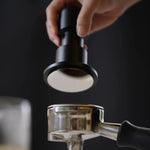
Measure your portafilter's inner diameter and check your tamper size. IMS uses a straightforward code: B70 fits 58 mm tamper setups, B54 fits smaller machines. Height should match your typical dose range - consult the IMS Herbpress guide for specific B/H/T codes and capacity charts by roast level. For drip coffee makers, confirm the model number - compatibility varies even within the same brand.
What's the difference between IMS and Herbpress filter baskets?
IMS baskets are designed for espresso extraction with precision-drilled holes and calibrated geometry. Herbpress baskets are a distinct patented line for botanical infusions - they feature a single outlet hole, a photo-etched 150 µm membrane, and a diffuser to extract herbs under 8–9 bars of pressure. They aren't intended primarily for coffee, whereas IMS and E&B baskets are built for espresso and extended extraction recipes.
Do precision filter baskets really improve coffee taste?
Yes - precision baskets offer more uniform hole perforation, smoother flow, and reduced channeling compared to stock baskets. Baristas consistently report sweeter cups, clearer flavor separation, and less bitterness, especially with lighter roasts. Feedback from customers who recently bought them can also help validate those results in everyday use. That said, they require careful grind adjustment and puck prep. If your technique is inconsistent, the difference may be smaller than expected.
How do I clean and maintain my filter basket?
Knock out the coffee grounds and rinse after each use; for drip models, switch off the machine before cleaning removable parts. Grounds are easily removed from electropolished surfaces. For deeper cleaning, soak in warm water with a gentle detergent. If your basket has a Nanotech coating, avoid strong chemicals like Cafiza that can degrade the finish. Membrane baskets (All-In-One, Herbpress) benefit from gentle back-flushing. Stainless steel baskets without coatings can go on the top rack of the dishwasher.
Which filter basket is best for light vs dark roasts?
Dark roasts are more soluble and less dense - baskets with moderate hole counts, flat bottoms, and standard patterns (like Big Bang) work well to avoid over-extraction. Light roasts benefit from fine membrane filtration (All-In-One, Superfine), higher hole counts, and taller baskets that maintain bed depth for longer contact time. IMS dose guides reflect this: the same 26.5 mm basket holds 18–20 g of dark roast but 22–24 g of light roast.